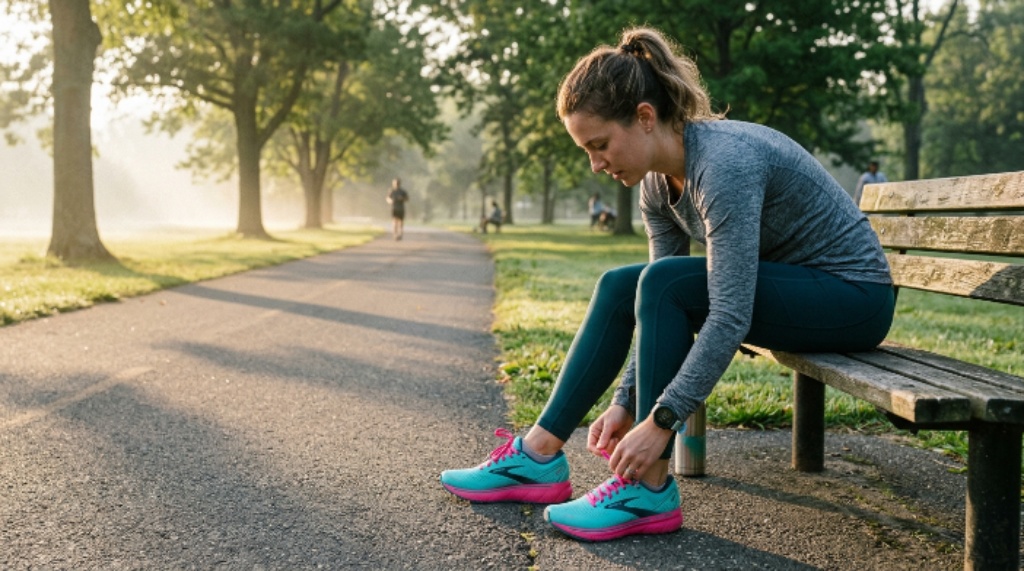
Chicago wellness centers continue to expand their recovery services as more residents focus on stress relief, athletic performance, and physical rehabilitation. According to the American Massage Therapy Association, nearly 95% of consumers view massage therapy as beneficial for overall wellness and pain management. Additionally, sports recovery services have grown significantly in major cities like Chicago because active professionals and athletes seek faster healing methods. Many local clinics now integrate asian massage therapy techniques into customized recovery programs for muscle tension and mobility support. These therapies combine traditional healing methods with modern recovery science, which helps clients improve flexibility, circulation, and muscular balance throughout the year.
Why Muscle Recovery Matters in Chicago, IL
Chicago residents often deal with physical stress caused by long commutes, cold winters, and demanding work schedules. Muscle stiffness becomes more common during freezing temperatures because people move less and stay indoors for extended periods. Many fitness enthusiasts also experience soreness from running, weightlifting, and recreational sports activities around the city. Therefore, wellness centers focus heavily on recovery therapies that reduce inflammation and restore muscle function quickly. Asian massage therapy has become a preferred option because it supports both physical recovery and mental relaxation simultaneously.
Recovery plays a critical role in preventing chronic injuries and maintaining consistent physical performance. When muscles remain tight for too long, people may develop posture problems, joint discomfort, or reduced mobility. Chicago wellness professionals often recommend massage sessions after workouts or physically demanding work shifts. In addition, many office workers seek recovery treatments because prolonged sitting creates neck, shoulder, and lower back tension. Wellness centers now design personalized therapy programs that match different lifestyles, fitness levels, and recovery goals.
Understanding Asian Massage Therapy for Recovery
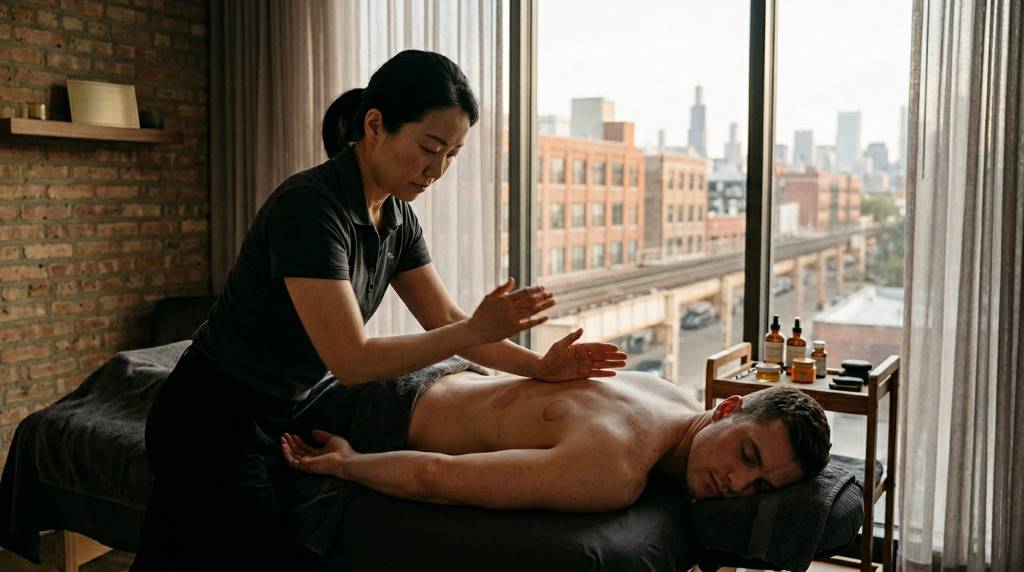
Asian massage therapy includes several traditional healing methods that originated in countries like China, Japan, Thailand, and India. These techniques focus on improving circulation, reducing tension, and balancing energy throughout the body. Unlike standard relaxation massages, many Asian therapies involve stretching, pressure points, and targeted muscle manipulation. Consequently, they work well for recovery after intense physical activity or repetitive strain. Chicago wellness centers frequently combine multiple techniques to create customized treatment plans for clients.
Some therapies focus on deep muscle release, while others improve flexibility and mobility through assisted movement. Therapists often evaluate posture, muscle tightness, and pain patterns before selecting the right approach for each person. Furthermore, many wellness centers educate clients about hydration, stretching, and recovery habits after each session. This combination of treatment and education helps clients maintain long-term muscular health. As a result, recovery programs become more effective and sustainable over time.
Popular Asian Massage Techniques Used in Chicago Wellness Centers
Shiatsu Massage for Muscle Tension
Shiatsu massage uses finger pressure along specific points of the body to improve circulation and relieve muscular discomfort. Many Chicago therapists use this technique to address neck stiffness, shoulder tightness, and lower back pain caused by office work or cold weather. The pressure stimulates blood flow, which helps muscles recover faster after exercise or stress. Additionally, Shiatsu supports nervous system relaxation, which reduces physical tension linked to anxiety and fatigue. Clients often report feeling lighter and more flexible after several sessions.
Thai Massage for Flexibility and Mobility
Thai massage combines assisted stretching, rhythmic pressure, and body movement to improve flexibility and joint mobility. This technique works especially well for athletes, runners, and active professionals who experience tight hips or stiff muscles. During Chicago winters, people often lose flexibility because cold temperatures reduce movement and outdoor activity. Therefore, Thai massage helps maintain mobility while preventing muscular imbalances. Many wellness centers include Thai stretching sessions in athletic recovery packages because they improve movement quality effectively.
Tui Na Therapy for Sports Recovery
Tui Na is a traditional Chinese therapy that focuses on muscle manipulation and energy flow throughout the body. Therapists use kneading, pressing, and rolling motions to release tension and improve circulation. Chicago sports recovery clinics often use Tui Na for clients recovering from repetitive strain injuries or intense workouts. Moreover, the therapy helps reduce inflammation around muscles and joints, which supports faster healing. Many clients choose Tui Na because it targets specific problem areas instead of providing only general relaxation.
Ayurvedic Massage for Full-Body Balance
Ayurvedic massage uses herbal oils and rhythmic strokes to support circulation, detoxification, and muscular recovery. Many wellness centers in Chicago offer this treatment during colder months because dry winter air can increase body stiffness and fatigue. Warm oils help relax muscles while improving skin hydration and circulation simultaneously. In addition, Ayurvedic therapy promotes mental calmness, which supports better sleep and physical restoration. This holistic approach attracts clients who want both recovery benefits and stress reduction.
How Chicago’s Climate Influences Muscle Recovery Needs
Chicago experiences harsh winters, humid summers, and sudden weather changes that directly affect muscle health and recovery patterns. Cold temperatures often tighten muscles and reduce circulation, which increases the risk of stiffness and soreness. Many residents notice greater discomfort in their neck, shoulders, and lower back during winter months because muscles contract in colder conditions. Consequently, wellness centers recommend regular massage therapy sessions to maintain circulation and flexibility. Heat therapies and warm oils also become more popular during winter recovery programs.
Summer humidity creates different recovery challenges for athletes and physically active individuals in Chicago. Excessive sweating and dehydration can contribute to muscle fatigue, cramping, and slower recovery after exercise. Therefore, wellness centers often combine massage therapy with hydration guidance and stretching routines during warmer months. Recovery specialists also encourage clients to schedule treatments after marathons, cycling events, and outdoor sports activities. This seasonal approach helps clients maintain consistent physical performance throughout the year.
Benefits of Asian Massage Therapy for Muscle Recovery
Asian massage therapy provides several physical and mental benefits that support faster and healthier recovery. Wellness centers emphasize these benefits because clients often seek long-term solutions instead of temporary pain relief. Many therapies focus on restoring balance within the body while improving overall movement quality. Furthermore, regular sessions help clients prevent future injuries caused by chronic tension or poor flexibility. These combined benefits make Asian massage therapy highly effective for recovery support.
Key recovery benefits include:
- Improved blood circulation to sore muscles
- Reduced muscle stiffness and tension
- Better flexibility and range of motion
- Faster recovery after exercise or physical labor
- Lower stress and mental fatigue levels
- Enhanced sleep quality and relaxation
- Reduced inflammation in overworked muscles
- Improved posture and body alignment
Many Chicago wellness centers track client progress through mobility assessments and recovery evaluations. This professional monitoring helps therapists adjust treatments based on individual recovery patterns. As a result, clients receive more personalized and effective care over time.
How Wellness Centers Customize Recovery Programs
Chicago wellness centers rarely use one-size-fits-all recovery treatments because every client has different physical needs. Therapists usually begin with a consultation that reviews pain levels, activity habits, and mobility concerns. Athletes may require deep tissue work and stretching, while office workers often need posture correction and tension relief. Therefore, therapists combine multiple Asian massage techniques to match each client’s recovery goals. This customized approach increases treatment effectiveness and improves client satisfaction significantly.
Many wellness centers also integrate complementary recovery methods into therapy programs. These services may include hot stone therapy, cupping, aromatherapy, or guided stretching sessions. In addition, some clinics collaborate with chiropractors, physical therapists, and fitness trainers to support full-body recovery plans. Clients benefit from this integrated approach because it addresses both symptoms and underlying muscular issues. Long-term recovery becomes easier when multiple wellness strategies work together consistently.
Choosing the Right Wellness Center in Chicago
Finding the right wellness center requires careful consideration because treatment quality and therapist experience vary greatly across the city. Clients should prioritize centers that employ licensed therapists trained in authentic Asian massage techniques. Reviews, certifications, and consultation services also provide valuable insight into treatment quality and professionalism. Furthermore, reputable centers usually create personalized recovery plans instead of offering only generic massage packages. This level of customization often leads to better long-term recovery outcomes.
Location and accessibility also matter for consistent recovery routines in a busy city like Chicago. Many people prefer wellness centers near workplaces, gyms, or residential neighborhoods for convenience. Additionally, clean facilities and clear communication contribute to a better overall client experience. Wellness centers that educate clients about recovery habits often provide more value beyond the massage session itself. Therefore, choosing a professional and supportive environment improves both physical results and long-term wellness habits.
Recovery Tips Between Massage Sessions
Massage therapy works best when clients support recovery through healthy daily habits. Chicago wellness professionals often recommend simple lifestyle adjustments that improve muscle recovery between appointments. Hydration remains essential because water helps transport nutrients to recovering muscles and reduces stiffness. Additionally, light stretching and walking improve circulation without placing excessive strain on sore muscles. These habits help maintain the benefits gained during therapy sessions.
Clients can also improve recovery results by following these practical strategies:
- Use heat packs during cold Chicago winters
- Maintain consistent sleep schedules
- Stretch after workouts and long workdays
- Avoid prolonged sitting without movement breaks
- Eat balanced meals with adequate protein intake
- Practice stress management techniques regularly
These supportive habits strengthen the effectiveness of Asian massage therapy programs. Consequently, clients often notice better flexibility, reduced pain, and improved physical performance over time.
Related:
Which Holistic Spa Treatments Incorporate Chakra Balancing With Massage?
How to Make Your Skin Glow Naturally at Home
The Growing Popularity of Holistic Recovery in Chicago
Chicago residents increasingly prefer holistic wellness solutions because they want natural alternatives to medication-based pain management. Asian massage therapy aligns well with this trend because it supports both physical and mental recovery without invasive procedures. Many younger professionals now prioritize preventative wellness services instead of waiting for severe pain or injury to develop. Therefore, wellness centers continue expanding their recovery programs to meet rising demand. This shift reflects broader interest in sustainable health and long-term self-care practices.
Corporate wellness programs also contribute to the growing popularity of massage therapy in Chicago workplaces. Employers recognize that stress, poor posture, and muscle tension reduce productivity and increase burnout risk. Consequently, some companies partner with wellness centers to provide recovery services for employees. Athletes, office workers, and older adults all benefit from these accessible recovery options. As awareness continues growing, Asian massage therapy will likely remain a major part of Chicago’s wellness industry.
Conclusion
Asian massage therapy has become an important recovery solution for Chicago residents dealing with muscle tension, physical stress, and demanding lifestyles. Wellness centers across the city now combine traditional Asian healing methods with modern recovery strategies to improve flexibility, circulation, and muscular health. These therapies address challenges created by Chicago’s climate, work culture, and active fitness communities effectively. Moreover, personalized treatment plans help clients achieve long-term recovery while preventing future injuries. If you want to improve muscle recovery naturally, consider visiting a trusted Chicago wellness center that specializes in Asian massage therapy techniques and holistic wellness care.
FAQs
What is the best Asian massage therapy for muscle recovery?
Thai massage and Shiatsu are highly effective because they improve flexibility, circulation, and muscle relaxation.
How often should I get massage therapy for recovery?
Most wellness experts recommend one session every two to four weeks depending on activity level and muscle tension.
Does Asian massage therapy help with winter muscle stiffness?
Yes, these therapies improve circulation and flexibility, which helps reduce stiffness caused by cold Chicago weather.
Can athletes benefit from Asian massage therapy?
Yes, athletes often use these therapies to reduce soreness, improve mobility, and speed up recovery after training.
Is Asian massage therapy safe for office workers?
Yes, it helps relieve neck, shoulder, and back tension commonly caused by prolonged sitting and poor posture.