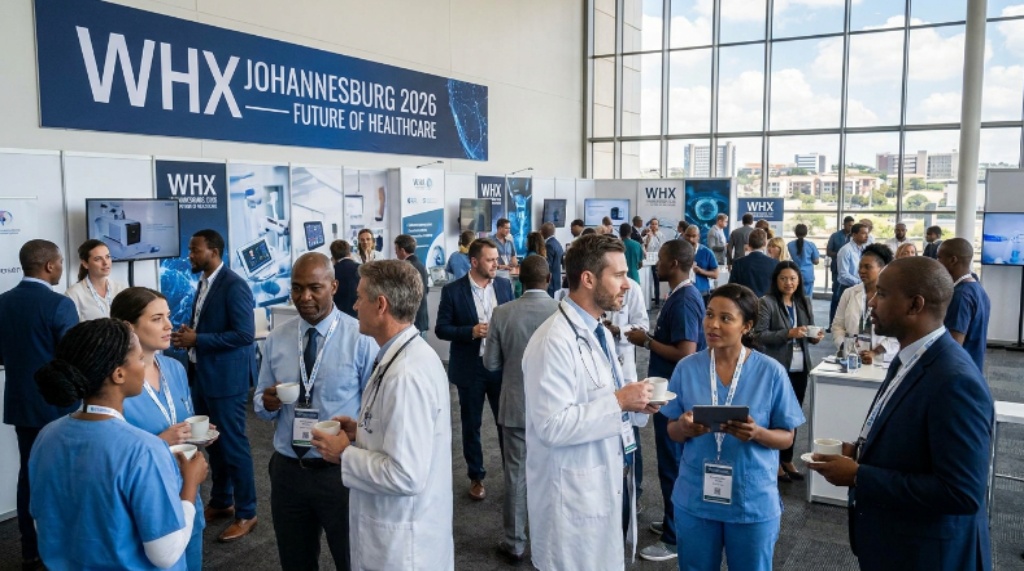
The global public health community is gearing up for one of the most important events of the decade. This September, thousands of professionals, researchers, and policymakers will gather in Cape Town, South Africa, for the 18th World Congress on Public Health. Whether you are a first-time attendee or a returning delegate, this guide will walk you through everything you need to know before you pack your bags.
What Is the World Congress on Public Health?
The World Congress on Public Health is a biennial event organized by the World Federation of Public Health Associations (WFPHA). It serves as a premier international forum for exchanging knowledge on global health challenges. The congress brings together voices from every corner of the world to discuss evidence-based solutions, build partnerships, and shape public health policy.
This year marks the 18th edition of the event. It is also a historic milestone, as it will be held in Southern Africa for the very first time. That shift is significant. It signals a broader commitment to amplifying African voices in global health conversations.
Over 2,000 delegates are expected to attend, making it one of the largest public health gatherings of 2026.
When and Where Is It Taking Place?
The congress will run from September 6 to 9, 2026. The venue is the Cape Town International Convention Centre (CTICC), located in Cape Town, South Africa.
Cape Town is a fitting host city. It sits at the intersection of stunning natural beauty and complex public health realities. The city offers world-class infrastructure for international events. Additionally, it provides easy access via public transport, taxis, and airport shuttles, making travel straightforward for international delegates.
For those traveling from abroad, visa requirements vary by nationality. However, the official congress website provides detailed guidance, including support for obtaining invitation letters for visa applications.
The Theme: Health Without Borders
The official theme for 2026 is “Health Without Borders: Equity, Inclusion, and Sustainability.” This theme is not just a tagline. It reflects the urgent realities of our time.
The world continues to face war, political instability, ongoing disease outbreaks, and deep systemic inequalities. Therefore, the congress aims to address these challenges head-on. Every session, panel, and workshop is designed to push the conversation forward in a meaningful way.
The theme breaks down into three core pillars:
- Equity in Public Health: Addressing healthcare disparities and ensuring access for all, regardless of income, geography, or social status.
- Inclusion and Diversity: Promoting policies that welcome all communities, including marginalized and underrepresented groups.
- Sustainability and Resilience: Building health systems that can withstand future shocks while protecting both people and the planet.
These pillars will guide the program from start to finish.
Who Organizes the Congress?
The 18th edition is jointly organized by the World Federation of Public Health Associations (WFPHA) and the Public Health Association of South Africa (PHASA). Both bodies bring deep expertise and global networks to the table.
The WFPHA is a Geneva-based federation that represents public health associations from across the world. PHASA, on the other hand, brings essential local context and connections within the African health landscape. Together, they have assembled an organizing committee with strong regional and international representation.
This partnership matters. It ensures the program reflects not only global priorities but also the specific needs and contributions of the African continent.
What Sessions and Activities Can You Expect?
The congress program is designed to be rich, varied, and interactive. Attendees can look forward to a wide range of formats over the four days.
Plenary Sessions
Plenary sessions will feature leading voices from global health institutions, governments, and civil society. These are large, high-profile presentations that set the intellectual tone of the congress. Expect provocative ideas, new research findings, and calls to action.
Scientific Tracks and Abstract Presentations
The congress covers multiple scientific tracks aligned with the three core themes. Researchers and practitioners can submit abstracts to present their work. Oral and poster presentations will run across the four days, giving delegates a chance to share findings and receive feedback from an international audience.
Additionally, accepted abstracts are published in relevant journals, extending the reach of your research well beyond the event itself.
Pre- and Post-Congress Events
Before and after the main congress, a series of satellite events will take place. These include workshops, training sessions, and field visits. They offer a more intimate setting for deeper learning and networking. If you have specific interests, these side events are worth exploring early, as space is limited.
Networking Opportunities
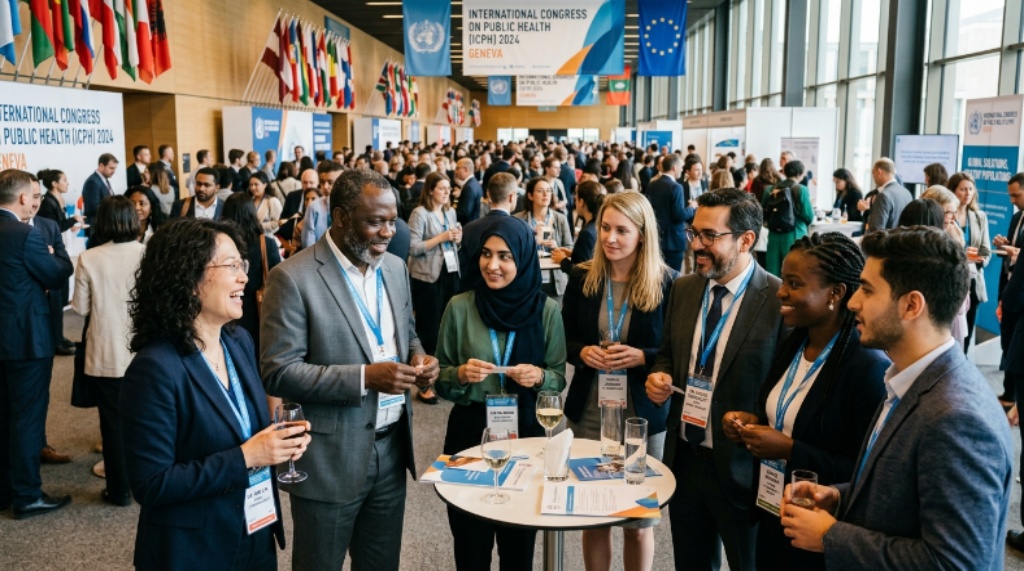
One of the most valuable aspects of any conference is the people you meet. The congress offers structured networking sessions, social events, and informal gathering spaces designed to help you connect with peers from around the world. Whether you are looking for research collaborators, policy allies, or mentors, the opportunities are plentiful.
The International Student Meeting on Public Health
The congress also features the International Student Meeting on Public Health (ISMOPH). This dedicated stream is designed for students and young professionals entering the field. It provides a platform to present research, engage with senior practitioners, and build early-career networks.
If you are a student or recent graduate, this is a particularly exciting reason to attend. Getting exposure at this level early in your career can open doors that might otherwise take years to find.
Travel Grants and Mentorship
Not everyone can afford the cost of international travel. The organizers recognize this reality. Therefore, a limited number of travel grants will be available to support delegates who need financial assistance. One key requirement is having an accepted abstract submission, so plan ahead if you are considering applying.
In addition, a mentorship program connects early-career professionals with experienced public health leaders. This is a structured opportunity to gain guidance, ask questions, and develop professionally in a supportive environment.
Going Green at the Congress
Sustainability is more than a theme on paper. The congress has a dedicated “Going Green Together” initiative. Organizers are actively working to reduce the environmental footprint of the event. This includes efforts around waste reduction, sustainable catering, and carbon-conscious travel planning.
Attendees are encouraged to participate in these efforts. Even small choices, like opting for digital materials over printed ones, make a difference collectively.
Registration and Accommodation
Registration is open online through the official congress website. Fees vary depending on your registration category. Members of national public health associations affiliated with the WFPHA qualify for member rates.
Several nearby hotels have partnered with the congress to offer special accommodation rates for attendees. These options range from budget-friendly to premium, catering to a variety of needs and travel budgets.
It is advisable to register and book accommodation early. With over 2,000 delegates expected, availability may become limited as the event approaches.
Why Cape Town Makes a Difference
Hosting the congress in Southern Africa for the first time is more than symbolic. It creates a genuine opportunity to center African public health perspectives in a global forum. Cape Town is a city that has navigated deep health inequities, HIV/AIDS response challenges, tuberculosis, and more recently, the COVID-19 pandemic. These lived experiences add texture and urgency to the discussions that will unfold.
Furthermore, the city’s location makes it accessible to delegates from across the African continent. This could lead to greater participation from African researchers and public health workers who have historically been underrepresented at such events.
Conclusion
The 18th World Congress on Public Health in Cape Town is shaping up to be a landmark event for the global health community. It brings together a strong theme, an impressive location, and a diverse program that covers everything from plenary talks to student sessions and sustainability initiatives. Whether you plan to present research, build networks, explore new ideas, or simply stay informed about global health developments, this congress offers something valuable for everyone.
With registration open and travel grants available, now is the time to start planning. The conversations that happen in Cape Town this September could genuinely help shape a healthier, more equitable world for years to come.
Frequently Asked Questions
When and where is the World Congress on Public Health 2026?
The congress runs from September 6 to 9, 2026, at the Cape Town International Convention Centre (CTICC) in Cape Town, South Africa.
Who can attend the congress?
The event is open to public health professionals, researchers, policymakers, students, and advocates from around the world. There are specific registration categories, including member and non-member rates.
How do I submit an abstract?
Abstract submissions are handled through the official congress website at wcph.org. Check the key dates page for submission deadlines, as these are updated regularly.
Are travel grants available for attendees?
Yes, a limited number of travel grants are available. Applicants must have an accepted abstract to be eligible. Full eligibility criteria are published on the congress website.
Is virtual attendance an option?
While the congress is primarily an in-person event, it is worth checking the official website closer to the date for any hybrid or virtual participation options that may be introduced.
Get Directions Using Google Maps: