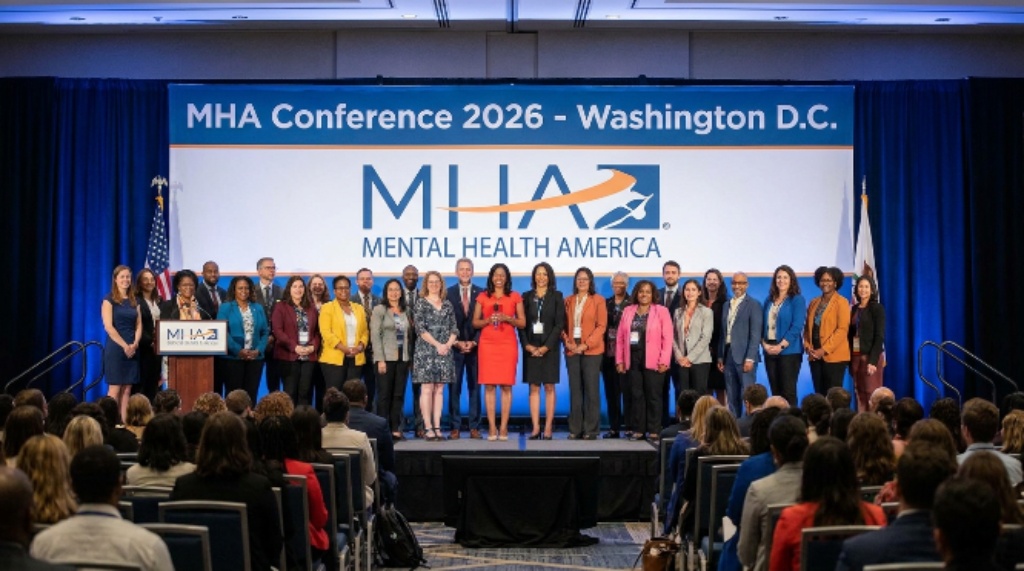
Every October, mental health professionals, advocates, policymakers, and people with lived experience come together for one of the most important events in the field. The Mental Health America Conference 2026 takes place on October 8 and 9 in Washington, DC. This two-day event brings together voices from across the country to share knowledge, drive change, and inspire better care for everyone.
The 2026 edition carries the theme More Good Days, Together. It is a simple but powerful idea. It recognizes that good mental health looks different for everyone, and that the goal is to connect people to the right support at the right time. If you are a clinician, advocate, student, or simply someone who cares about mental health in your community, this conference has something meaningful to offer.
Event Details: Dates, Venue, and Location
The conference runs on Thursday, October 8, and Friday, October 9, 2026. Both days take place at the Capital Hilton, located at 1001 16th Street NW, Washington, DC 20036. The hotel sits in the heart of the city, within walking distance of the White House and many of DC’s most iconic landmarks.
The Capital Hilton is a well-established venue for major national events. It offers spacious conference rooms, a dedicated expo hall, and comfortable facilities that support a full two-day schedule. Washington, DC is easily accessible by air, train, and metro, making it a practical choice for attendees traveling from across the country.
Additionally, for those who cannot attend in person, session recordings will be made available after the event through a CEU Conference Replay Pass. This allows teams and individuals to access the content and earn continuing education units from anywhere in the world.
The 2026 Conference Theme: More Good Days, Together
The theme for 2026 is both simple and purposeful. More Good Days, Together reflects the heart of what Mental Health America stands for. The idea is that one in five people experience a mental health condition each year, and all five in five are managing their mental health in some form every single day. Everyone has good days and hard days.
This year’s theme encourages attendees to think about what a good day means for themselves and for the people they serve. It asks us to use that understanding to shape better advocacy, smarter education, and stronger communities. The theme also recognizes that good mental health is personal. It looks different for a teenager in rural America than it does for a veteran in a major city. Therefore, the conference focuses on connecting people to the right support at the right time rather than offering a single, one-size-fits-all approach.
Who Attends the Mental Health America Conference?
The conference draws a wide and diverse audience. In recent years, the event has welcomed around 800 in-person attendees, with thousands more joining online from over 99 countries. This speaks to the global relevance of the conversations happening at this event.
Attendees typically include:
- Mental health clinicians and therapists seeking continuing education
- Nonprofit leaders working in behavioral health and community services
- Government and policy professionals shaping mental health legislation
- Advocates and individuals with lived experience of mental health conditions
- Researchers and academics studying mental health trends and outcomes
- Corporate wellness professionals building workplace mental health programs
- Youth and young adult representatives bringing fresh perspectives to the field
The conference creates a rare space where all of these voices share the same rooms, sessions, and conversations. That mix of perspectives is one of its greatest strengths.
Conference Schedule and Session Tracks
The 2026 program covers four main topic tracks. Each track reflects a critical area in the current mental health landscape. Sessions run across both days and cover a wide range of formats including keynote presentations, panel discussions, workshops, and interactive breakouts.
Innovation in Mental Health
This track explores new and emerging approaches to advancing mental well-being. Sessions cover creative program models, policy solutions, technology-driven treatments, and community-based practices. The Policy Institute, a dedicated pre-conference session, specifically focuses on behavioral health and technology, examining how tech innovations can improve access and quality of care. Topics include telehealth expansion, artificial intelligence in mental health support, and ethical frameworks for digital therapy tools.
Whole Health
This track looks at the connection between mental and physical health. It moves away from treating mental health in isolation and instead focuses on whole-person well-being. Attendees learn practical strategies for integrating mental health support into primary care settings, and for helping individuals address both their physical and emotional needs at the same time.
Mental Health Across the Lifespan
Mental health needs change at every stage of life. This track covers strategies and solutions for children, adolescents, adults, and older populations. Sessions address school-based mental health programs, support for young adults in transition, and care models designed for aging populations. Furthermore, this track includes a strong focus on youth and young adult voices, with dedicated sessions and discounted registration rates for this group.
Access and Workforce Transformation
This track tackles one of the most pressing challenges in the field: the shortage of mental health workers and the barriers many people face when trying to access care. Sessions explore workforce development, peer support programs, value-based care models, and policy approaches that bring services closer to underserved communities. Telehealth, community health workers, and integration into non-traditional settings all feature prominently here.
The Expo Hall: Connecting with Innovators and Organizations
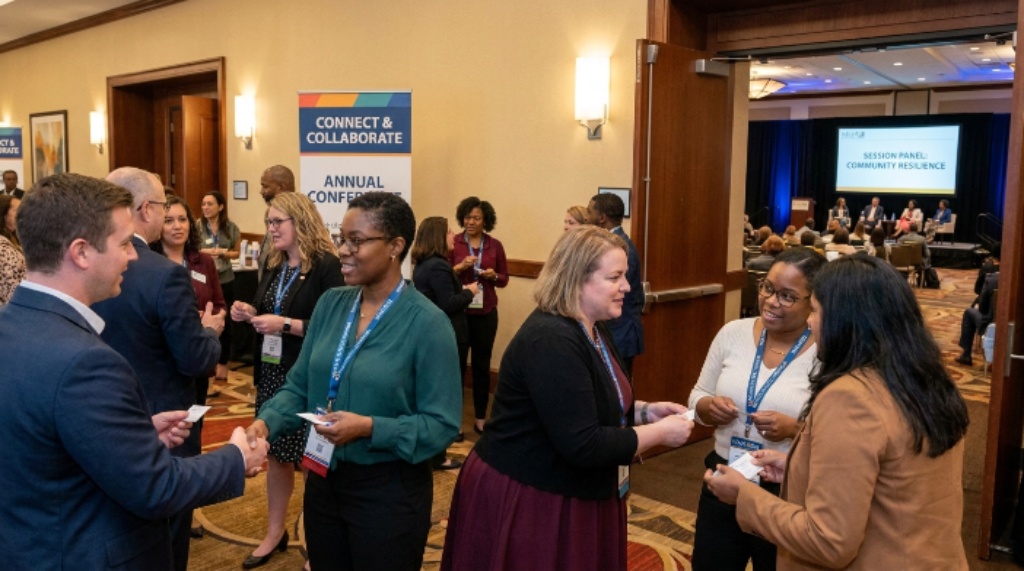
Beyond the sessions, the conference features an expo hall with over 42 exhibitors. This is where attendees connect directly with organizations, companies, and service providers working at the forefront of mental health care. Exhibitors include technology companies, nonprofit programs, publishers, research institutions, and advocacy organizations.
The expo hall is a practical resource. You can discover new tools, explore service models, ask questions, and make connections that continue long after the event ends. Additionally, many exhibitors offer live demonstrations and materials that give attendees a deeper look at what is available in the field right now.
Earning Continuing Education Units
One of the most practical benefits of attending is the opportunity to earn continuing education units. Registration includes complimentary access to the CEU Conference Replay Pass, which lets attendees view all main conference session recordings after the event. This is particularly useful for those who want to revisit sessions or share content with colleagues who could not attend in person.
A group CEU Conference Replay Pass bundle is also available, allowing teams of up to ten staff members to access recordings for a flat fee. This makes the conference a cost-effective professional development investment for organizations as well as individuals.
Registration Rates and How to Sign Up
Registration for the Mental Health America Conference 2026 is available through the official website at mhanational.org/conference. Several pricing tiers are available to reflect the diverse audiences the event serves.
General public registration starts at an early bird rate of $800, moving to $850 standard and $900 on site. Nonprofit organizations, government employees, and MHA affiliates qualify for discounted rates. Youth and young adults also receive a separate discounted tier, making the conference more accessible to the next generation of mental health advocates.
Groups of three or more attendees save an additional 10 percent on their registrations. Early bird pricing is available for a limited time, so registering early is strongly recommended. Sessions are also accepted in English and Spanish, reflecting the conference’s commitment to inclusive participation.
Tips for First-Time Attendees
Attending a national conference for the first time can feel overwhelming. A little preparation goes a long way.
- Review the agenda in advance and identify the sessions most relevant to your work
- Plan time in the expo hall on both days, not just one
- Bring business cards or a digital contact-sharing method for networking
- Take notes during sessions, as the volume of information can be significant
- Use downtime between sessions to connect with fellow attendees informally
- Washington, DC offers excellent dining and cultural experiences after conference hours
- Book accommodation early, as the Capital Hilton and nearby hotels fill up quickly around the event
Additionally, for those traveling from out of state, arriving the evening before October 8 helps you start the first day fresh and on time.
Conclusion
The Mental Health America Conference on October 8 and 9, 2026, is one of the most important gatherings in the behavioral health field. Held at the Capital Hilton in Washington, DC, the event brings together clinicians, advocates, policymakers, researchers, and people with lived experience under the theme More Good Days, Together. Over two days, attendees access four rich session tracks covering innovation, whole health, mental health across the lifespan, and workforce transformation. The expo hall connects visitors with over 42 organizations, and CEU credits are available for professional development. Whether you attend in person or access recordings later, this conference offers genuine value for anyone working to advance mental health care and advocacy.
Frequently Asked Questions
When and where is the Mental Health America Conference 2026?
The conference takes place on October 8 and 9, 2026, at the Capital Hilton, 1001 16th Street NW, Washington, DC 20036. It is an in-person event with recorded sessions available afterward through the CEU Replay Pass.
What is the theme of the 2026 conference?
The theme is More Good Days, Together. It focuses on connecting people to the right mental health support at the right time, recognizing that what constitutes a good day is different for every individual.
How much does registration cost?
General public registration starts at $800 for early bird pricing, $850 standard, and $900 on site. Discounted rates are available for nonprofits, government employees, MHA affiliates, and youth and young adults. Groups of three or more save an additional 10 percent.
Can I earn continuing education units at this conference?
Yes. All main conference registrations include a complimentary CEU Conference Replay Pass, allowing attendees to access session recordings and earn continuing education units after the event. Group CEU bundles are also available for teams.
What topics does the conference cover?
The four main tracks are innovation in mental health, whole health, mental health across the lifespan, and access and workforce transformation. The Policy Institute also addresses behavioral health and technology, exploring how digital tools can improve access to care.