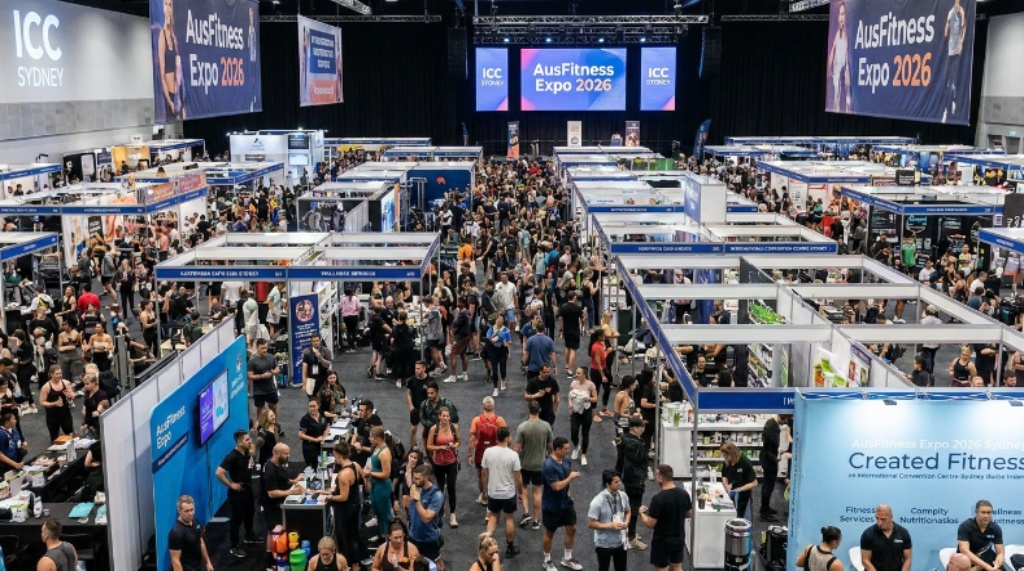
Africa’s healthcare world is heading to Johannesburg this October. The World Health Expo (WHX) — formerly known as Africa Health — returns to the Gallagher Convention Centre in Midrand from 6 to 8 October 2026. This three-day event is one of the most important healthcare gatherings on the African continent. Whether you are a medical professional, a business leader, or a curious first-time visitor, this guide tells you everything you need to know before you arrive.
What Is WHX Johannesburg 2026?
WHX Johannesburg is Africa’s leading healthcare exhibition and conference. It brings together thousands of professionals from across the world to share ideas, discover new products, and build lasting partnerships. The event was previously known as Africa Health, but it now operates under the World Health Expo brand.
After spending two successful years in Cape Town, the expo has returned to Johannesburg. The city is widely regarded as Africa’s commercial healthcare engine room. Therefore, the move back makes strategic sense. It offers greater access, a larger venue, and stronger business opportunities for everyone involved.
The Gallagher Convention Centre sits in the heart of Midrand, a well-connected area between Johannesburg and Pretoria. It is a modern, internationally recognised facility. Getting there is straightforward, whether you use the Gautrain, ride-hailing apps like Uber or Bolt, or a rental car.
The Exhibition Floor: What You Will See
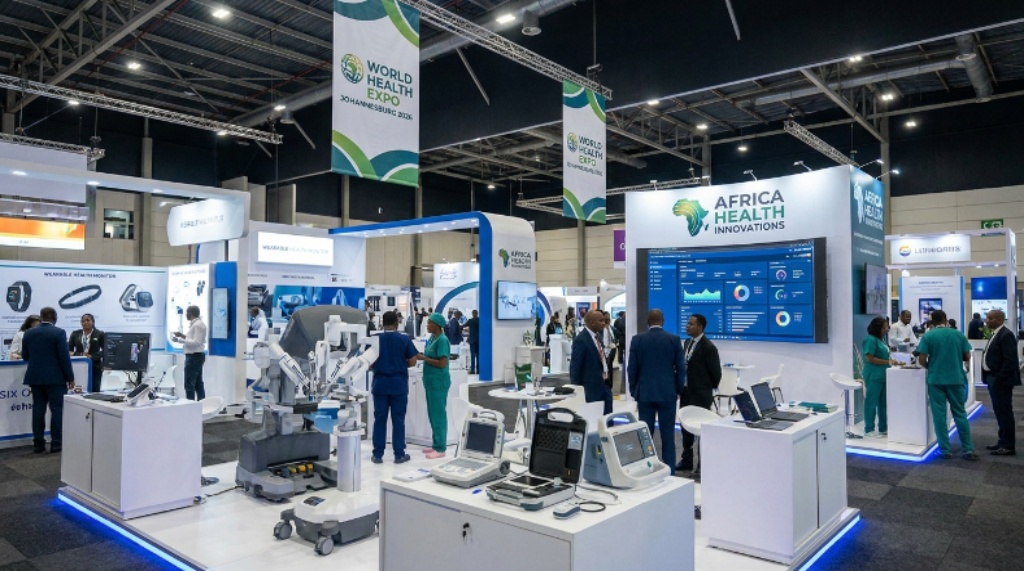
The exhibition floor is the beating heart of the event. Visitors can expect to find over 600 regional and international exhibitors from more than 60 countries. These are companies and organisations showcasing the very latest in healthcare technology and services.
Product categories on display include:
- Medical devices and equipment
- Diagnostics and imaging solutions
- Laboratory technologies
- Digital health and telehealth platforms
- Pharmaceuticals and nutrition
- Biotechnology innovations
- Disposables and consumables
- Healthcare infrastructure and assets
- Orthopedics, physiotherapy, and rehabilitation tools
- IT systems and health data solutions
Additionally, there will be interactive demonstrations throughout the three days. You can watch live product demonstrations, test digital health tools, and speak directly with product experts. This hands-on approach makes it far more engaging than simply browsing a catalogue.
Conferences and Knowledge Sessions
One of the standout features of the expo is its rich conference programme. Thought leaders, clinicians, researchers, and policymakers gather to discuss the most pressing issues in African and global healthcare.
Sessions cover topics such as public health policy, supply chain resilience, medical research breakthroughs, and the role of artificial intelligence in clinical settings. These are not dry lectures. They are dynamic discussions, panel debates, and interactive workshops designed to spark real thinking.
However, the value goes beyond inspiration. Many sessions carry Continuing Professional Development (CPD) credits. This means attending them counts toward your professional certification requirements. For healthcare workers who need to maintain their credentials, this is a practical bonus on top of the learning experience.
Keynote speeches are a major draw too. Subject matter experts from across Africa and internationally take the stage to share insights on where healthcare is heading. These sessions tend to fill up quickly, so it is wise to plan your schedule in advance.
Networking: Building Connections That Matter
Healthcare does not move forward in isolation. Therefore, networking is built into every part of the WHX Johannesburg experience. The expo is designed as a meeting place, not just a trade floor.
More than 8,000 trade visitors are expected to attend across the three days. They include hospital managers, procurement officers, government representatives, private clinic owners, medical suppliers, and academic researchers. This diversity makes for genuinely meaningful conversations.
The event provides dedicated networking zones where you can sit down, exchange ideas, and explore potential collaborations. Whether you are looking for a distribution partner in Southern Africa, a supplier for your hospital, or a co-researcher for a clinical study, the right person is likely in the room.
Informa, the global events company that organises the expo, facilitates structured meetings between buyers and suppliers. This removes some of the guesswork and helps you make the most of your time on the floor.
What to Do at the Venue
Attending WHX Johannesburg involves more than just walking the exhibition floor. Here is a practical breakdown of what you can do during your three days at the Gallagher Convention Centre.
On day one, take time to orient yourself. Pick up your visitor badge early and collect the event guide. Walk the full exhibition floor before committing to any specific zones. This gives you a sense of what is there and where you want to spend your time.
On day two, attend the conference sessions that matter most to your work. Arrive early for the keynote addresses to get a good seat. Use the afternoon to revisit exhibitors you want to engage with more deeply.
On day three, focus on meetings. If you identified potential partners or suppliers on earlier days, now is the time to have those focused conversations. The expo closes at 4pm on Thursday, so make sure your most important meetings happen in the morning.
Exploring Johannesburg Beyond the Expo
The Gallagher Convention Centre is just the start. Johannesburg itself is a city full of things to see and experience. After a full day at the expo, the city offers visitors a rich mix of history, culture, and entertainment.
The Apartheid Museum is a must-visit. It is a powerful and moving institution that tells the story of South Africa’s journey from apartheid to democracy. It is honest, well-curated, and genuinely affecting. Plan at least two to three hours for a proper visit.
Soweto is another deeply significant destination. This historic township is vibrant, welcoming, and full of life. You can visit Vilakazi Street, the only street in the world that was home to two Nobel Peace Prize winners. Guided tours are readily available and highly recommended.
For a more leisurely experience, head to the Neighbourgoods Market in Braamfontein on a Saturday. It is a popular gathering spot for locals and tourists alike, with food stalls, craft vendors, and live music.
Sandton, just a short Gautrain ride away, offers world-class shopping at Sandton City and Nelson Mandela Square. It is also home to some of the city’s finest restaurants, from traditional South African cuisine to international options.
If nature is more your preference, the Cradle of Humankind is a short drive from Midrand. This UNESCO World Heritage Site contains some of the oldest human fossils ever discovered and offers guided cave tours that are fascinating for all ages.
Practical Tips for Visitors
Planning ahead will make your visit far smoother. Here are a few practical things to keep in mind.
South Africa’s currency is the South African Rand (ZAR). It is advisable to exchange your currency upon arrival. Most hotels, restaurants, and shopping centres accept major credit cards, but having some cash is useful for smaller purchases.
Currently, 41 nationalities can enter South Africa visa-free for up to 90 days. If your country is not on that list, you can apply for a visa through the South African government’s online portal. Start this process well in advance of your travel date.
The Gautrain is the safest and most reliable public transport option in the city. It connects O.R. Tambo International Airport to Sandton and several other key areas. From Sandton, you can take a connecting bus to the Gallagher Convention Centre. Uber and Bolt also operate reliably throughout Johannesburg.
October weather in Johannesburg is warm and pleasant. Expect daytime temperatures between 20°C and 27°C. The rainy season is beginning, so afternoon thunderstorms are possible. Pack a light rain jacket just in case.
Who Should Attend?
WHX Johannesburg 2026 is open to trade visitors and healthcare professionals. It is not a public consumer event. Attendees typically include doctors, nurses, hospital administrators, laboratory professionals, pharmaceutical representatives, health technology entrepreneurs, government health officials, and investors active in the healthcare sector.
If you work in or around the healthcare industry in Africa or have plans to expand into African markets, attending this expo is a smart move. It gives you a concentrated look at what is happening across the continent in three focused days.
Conclusion
WHX Johannesburg 2026 is more than just an exhibition. It is a genuine gathering point for African healthcare. From 6 to 8 October at the Gallagher Convention Centre in Midrand, visitors will find an exhibition floor packed with over 600 exhibitors, a conference programme full of expert knowledge, and networking opportunities that can shape careers and businesses. Beyond the venue, Johannesburg itself offers history, culture, and vibrant city life worth exploring. With good planning and an open mind, your visit to this event can be one of the most valuable professional experiences of the year.
Frequently Asked Questions
When and where is WHX Johannesburg 2026?
The event takes place from 6 to 8 October 2026 at the Gallagher Convention Centre, Midrand, Johannesburg, South Africa. Opening hours are 9am to 5pm on Tuesday and Wednesday, and 9am to 4pm on Thursday.
Is WHX Johannesburg 2026 open to the general public?
No. This is a trade event for healthcare and medical industry professionals. Attendees typically include clinicians, hospital administrators, suppliers, investors, and government health officials. Registration is required in advance.
Do I need a visa to visit South Africa for the event?
It depends on your nationality. Currently, 41 nationalities can enter South Africa visa-free for stays of up to 90 days. If your country requires a visa, you can apply through the South African government’s online visa portal. It is best to start the process several weeks before your travel date.
What sectors are covered at the expo?
The expo covers a wide range of healthcare sectors, including medical devices, diagnostics, laboratory technology, digital health, pharmaceuticals, biotechnology, healthcare infrastructure, and IT systems. Both global and African companies exhibit across these categories.
How do I get to the Gallagher Convention Centre?
The centre is in Midrand, between Johannesburg and Pretoria. You can take the Gautrain to the Midrand station and use the shuttle service from there. Uber and Bolt operate across the city and are a convenient option. Parking is also available on-site for those driving or hiring a car.