Many athletes in Denver, CO want stronger quads without placing too much stress on gym equipment or their joints. Research from the American Council on Exercise shows that proper muscle activation can improve athletic performance by nearly 20%. In addition, sports therapists report that balanced quad engagement lowers knee injury risk during training sessions. Many local athletes also search for the ideal leg press resistance for muscle growth when building safer lower-body workouts. However, effective quad activation does not always require heavy machines or extreme resistance. Smart movement patterns, climate awareness, and controlled exercises often deliver better long-term results.
Why Quad Activation Matters for Denver Athletes
Quad activation plays a major role in running speed, knee stability, and jumping power. Athletes in Denver often train at higher elevations, which places extra demands on muscle endurance and oxygen efficiency. Therefore, proper activation helps the body work harder without excessive fatigue. Local trainers frequently focus on movement quality instead of adding more machine resistance during workouts.
Many athletes also experience tight hip flexors because of desk jobs and long commutes around the city. As a result, weak glute engagement often forces the quads to compensate incorrectly during exercise. Coaches now encourage athletes to improve muscle coordination before increasing workout intensity. Some athletes even use maintain multi gym exercises timing strategies to organize lower-body sessions more efficiently.
Cold winter mornings in Denver can reduce muscle elasticity and slow down joint mobility. Consequently, athletes who skip warm-ups often struggle with proper quad engagement during training. Dynamic preparation helps muscles respond faster and more safely during movement. This approach also reduces unnecessary dependence on heavy gym machines.
Common Causes of Poor Quad Activation
Several hidden factors limit quad activation even in highly trained athletes. Poor ankle mobility often changes squat mechanics and shifts pressure away from the quads. Furthermore, weak core stability creates balance problems during lower-body exercises. These issues usually appear before athletes notice pain or reduced performance.
Many Denver athletes train outdoors on uneven trails or icy sidewalks during colder months. Because of this, compensations develop naturally in the knees and hips over time. Muscle imbalances then reduce quad efficiency during gym workouts. Corrective mobility drills help restore smoother movement patterns without overloading equipment.
Overtraining also creates activation problems in active adults and competitive athletes alike. Some people increase resistance too quickly while ignoring recovery quality. Consequently, the nervous system struggles to recruit muscles effectively during training. Coaches now recommend lower-load activation work before heavy compound exercises.
Smart Warm-Up Strategies That Improve Quad Engagement
A proper warm-up activates the nervous system before demanding movements begin. Denver athletes often start with bodyweight exercises because cold weather stiffens muscles quickly. Controlled walking lunges, step-ups, and wall sits increase blood flow without excessive fatigue. These exercises prepare the quads for stronger contractions during later workouts.
Resistance bands also improve activation because they create steady tension through movement patterns. Many trainers use banded terminal knee extensions before squats or sprint drills. As a result, athletes feel more direct quad engagement during compound exercises. This simple strategy reduces the temptation to overload leg press machines unnecessarily.
Breathing mechanics also affect lower-body activation more than many athletes realize. Shallow breathing often creates unnecessary tension in the hips and lower back. Therefore, sports therapists encourage slow diaphragmatic breathing before strength sessions. Better oxygen control becomes especially valuable at Denver’s higher altitude.
Effective Dynamic Warm-Up Routine
- Bodyweight squats for 15 repetitions
- Walking lunges for 20 steps
- Resistance band knee extensions for 12 repetitions
- Step-ups on a low platform for 10 repetitions each leg
- Light pogo jumps for 30 seconds
Bodyweight Exercises That Target the Quads Efficiently
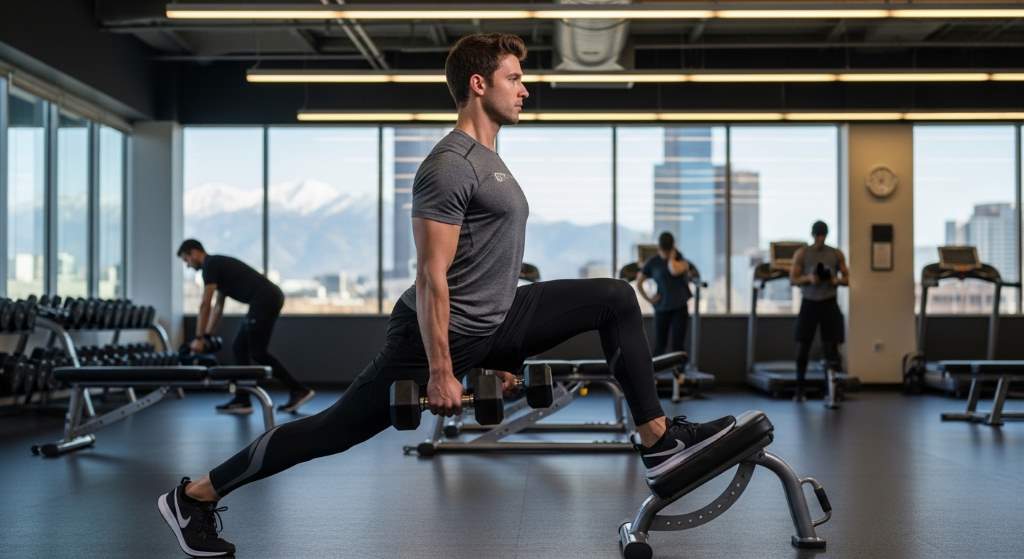
Bodyweight training gives athletes more movement freedom while protecting gym equipment from excessive strain. Split squats remain one of the best exercises for direct quad activation with minimal load. In addition, athletes can adjust depth and tempo easily based on mobility levels. This flexibility helps prevent unnecessary knee pressure during training.
Spanish squats have also become popular among Denver sports performance coaches recently. The exercise uses a strap or resistance band to support knee alignment during deep squats. Consequently, athletes experience stronger quad tension with less joint discomfort. Some recovery specialists even combine this movement with advice about sleep after exercise in the morning to improve muscle recovery quality.
Reverse Nordic curls provide another highly effective option for advanced athletes. This movement strengthens the quads through controlled knee extension without requiring heavy machines. However, athletes should progress slowly to avoid unnecessary strain on the tendons. Consistent practice improves quad endurance and stability over time.
Best Low-Equipment Quad Exercises
- Bulgarian split squats
- Wall sits
- Spanish squats
- Reverse Nordic curls
- Step-down exercises
How Denver’s Climate Changes Training Methods
Denver’s dry climate affects hydration and muscle recovery more than many athletes expect. Muscles lose water faster in low humidity, especially during outdoor training sessions. Therefore, dehydration can reduce muscle responsiveness and slow activation quality. Trainers encourage athletes to hydrate consistently before and after workouts.
Snowy conditions during winter also change lower-body mechanics while running or walking outdoors. Athletes often shorten their stride lengths and shift weight differently to maintain balance. Consequently, the quads can become overworked while stabilizing the knees on slippery surfaces. Mobility drills and controlled stretching help reduce these seasonal movement issues.
Summer heat creates another challenge because fatigue develops faster during altitude-based conditioning sessions. Many Denver athletes adjust workout intensity during hotter afternoons to avoid overtraining. In addition, recovery walks and lighter resistance sessions improve circulation without excessive joint stress. These adjustments protect both performance and long-term knee health.
The Role of Tempo Training in Quad Activation
Tempo training focuses on movement speed rather than adding extra resistance to exercises. Slow lowering phases increase time under tension and improve muscle awareness during squats or lunges. Therefore, athletes often feel stronger quad engagement even with lighter loads. This method also reduces wear on gym machines and connective tissues.
Coaches commonly use a three-second lowering phase during split squats and step-ups. Athletes then pause briefly before returning to the starting position with control. Consequently, the quads remain active throughout the full movement range. Consistent tempo work builds strength without encouraging reckless loading patterns.
Many professional athletes now prioritize movement precision over maximum resistance numbers. Sports scientists continue to support this shift because controlled movement improves long-term joint health. Furthermore, lighter loads reduce recovery demands between training sessions. This balance allows athletes to maintain performance during busy competitive schedules.
Recovery Habits That Support Better Quad Function
Recovery directly influences how effectively the quads activate during future workouts. Athletes who ignore sleep quality often experience slower muscle response and reduced coordination. Therefore, recovery routines matter just as much as exercise selection. Denver trainers frequently encourage active recovery instead of complete inactivity after hard sessions.
Foam rolling can improve circulation and reduce stiffness around the quads and hips. However, aggressive rolling sometimes irritates already sensitive muscle tissue unnecessarily. Most therapists recommend gentle pressure combined with slow breathing techniques. This method relaxes surrounding muscles while supporting better movement quality.
Walking recovery sessions also help many athletes maintain healthy blood flow after intense workouts. Comfortable footwear becomes important because poor support changes lower-body mechanics during recovery activities. Many active adults now prefer comfortable jogging shoes for women daily exercise to reduce joint stress during low-impact movement sessions. Consistent recovery habits improve quad activation far more effectively than constantly increasing machine resistance.
Unique Training Methods Used by Denver Athletes
Some Denver athletes now use sled drags instead of traditional machine-based leg workouts. Sled training improves quad activation while reducing spinal compression during lower-body sessions. In addition, athletes can control resistance naturally through speed and terrain changes. Outdoor sled work also matches the city’s active sports culture perfectly.
Backward walking on inclined treadmills has become another uncommon but effective strategy. This movement increases quad recruitment while minimizing impact on the knees and hips. Consequently, many rehabilitation specialists use it for athletes recovering from lower-body injuries. The exercise also improves balance and coordination simultaneously.
Several endurance athletes in Denver combine hiking with controlled downhill walking drills. Descending hills forces the quads to absorb force gradually through eccentric contractions. Therefore, athletes strengthen muscle control without relying heavily on gym equipment. This outdoor-focused method works especially well in Colorado’s varied terrain.
How Nutrition Supports Quad Activation
Muscle activation depends heavily on proper nutrient intake before and after training sessions. Athletes who skip balanced meals often experience weaker contractions and faster fatigue. Therefore, sports nutritionists recommend combining carbohydrates and protein around workouts. This combination supports muscle energy and recovery more efficiently.
Electrolytes also matter because Denver’s dry climate increases fluid loss during exercise. Low sodium or potassium levels can interfere with muscle contractions and coordination. Consequently, hydration plans become essential for athletes training several days each week. Simple hydration strategies often improve performance faster than adding more gym resistance.
Magnesium-rich foods such as spinach, almonds, and black beans also support muscle function. Many athletes include these foods regularly to reduce cramping and stiffness after training. In addition, proper nutrition helps athletes recover faster between demanding sessions. Consistency remains more important than complicated supplement routines.
Conclusion
Denver athletes continue to improve quad activation through smarter movement patterns instead of overloading gym equipment unnecessarily. Effective warm-ups, tempo training, recovery habits, and climate-specific adjustments all contribute to stronger lower-body performance. In addition, bodyweight exercises and outdoor conditioning methods provide sustainable long-term benefits for joint health and athletic efficiency. Athletes who focus on quality movement often experience better results with less physical strain. Start applying these strategies consistently today and build stronger, healthier quads with greater confidence.
FAQs
What is the best exercise for quad activation without machines?
Bulgarian split squats provide excellent quad activation using only bodyweight or light resistance.
Does Denver altitude affect muscle activation?
Yes, higher altitude can increase fatigue and change breathing efficiency during workouts.
How often should athletes train quads each week?
Most athletes benefit from focused quad training two to three times weekly.
Can cold weather reduce quad performance?
Yes, colder temperatures can stiffen muscles and reduce mobility before training sessions.
Are lighter weights better for quad activation?
Lighter weights with controlled tempo often improve activation more effectively than excessive resistance.