Key Takeaways
- The right luxury home must support your routine, not just impress during a showing.
- Compare exact property addresses because schools, taxes, zoning, services, and traffic can vary block by block.
- Test commute times, ownership costs, privacy, lot usability, and nearby conveniences before making an offer.
- Highland Park, University Park, Preston Hollow, Lakewood, and North Dallas offer distinctly different lifestyles.
- A weekday and evening visit can reveal details that a weekend open house cannot.
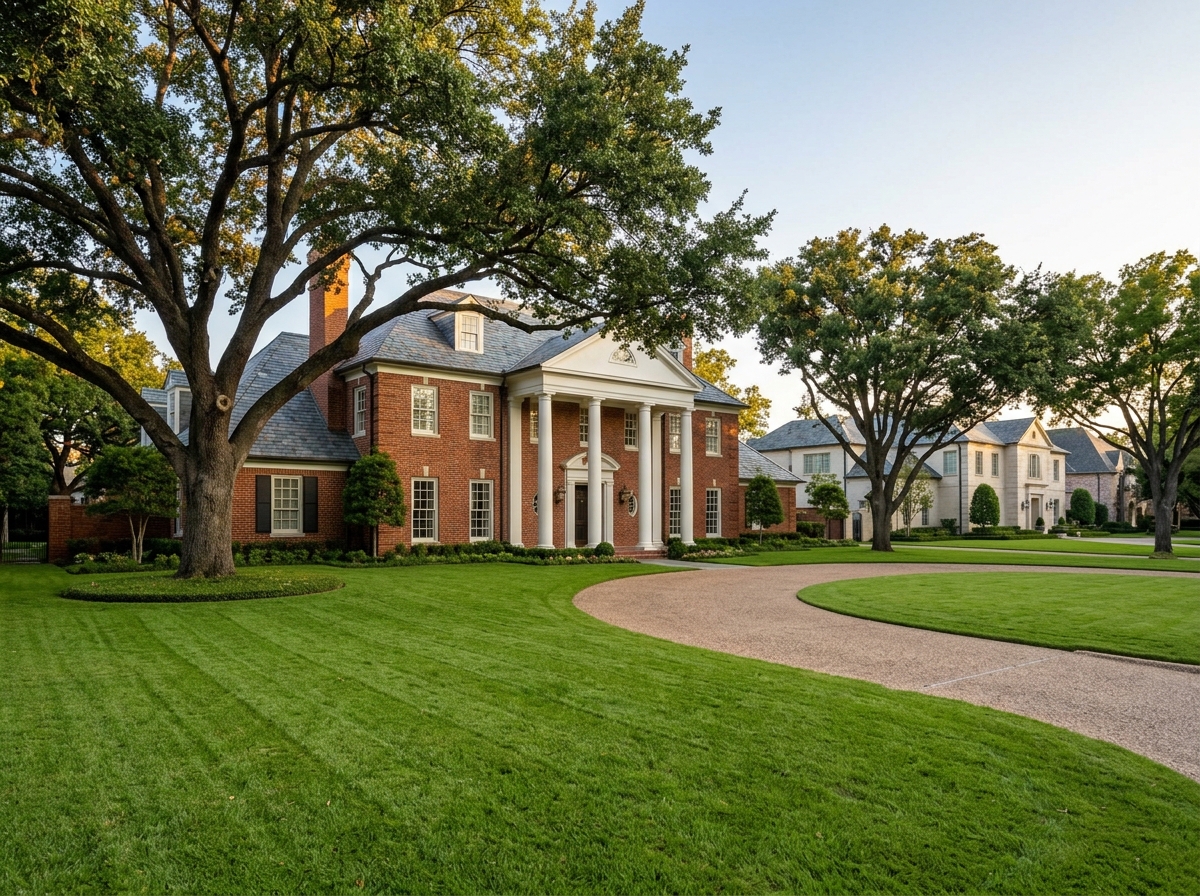
Buying a luxury home in Dallas is a decision about more than architecture, finishes, and square footage. You can update a kitchen, add landscaping, or renovate a primary suite, but you cannot change the home’s location. The neighborhood determines how easily you reach work, school, dining, recreation, airports, friends, and everyday services.
For buyers comparing central Dallas communities, Highland Park Dallas TX real estate experts The Rosen Group can provide a useful local perspective. The Rosen Group is a Dallas luxury real estate team led by Jordan and Jonathan Rosen, with property search, home valuation, neighborhood, buyer, and seller resources focused on sought-after areas including Highland Park, University Park, and Preston Hollow. That neighborhood-level experience matters when similar budgets can produce very different homes, lots, and lifestyles across the city.
Start With Your Buyer Profile
Before touring homes, define what you want your next five to ten years to look like. A clear profile prevents the most visually impressive property from distracting you from the factors that will affect daily life.
- Families may prioritize school assignment, parks, quiet streets, yard space, and room for changing needs.
- Executives may place more weight on commute reliability, airport access, privacy, and proximity to business centers.
- Downsizers may prefer manageable outdoor space, walkable restaurants, cultural amenities, and lower-maintenance living.
- Relocating buyers often benefit from simple road access, familiar services, and a neighborhood that makes settling in easier.
- Investment-minded buyers should consider scarcity, property condition, broad appeal to buyers, and future resale flexibility.
Compare Dallas Areas by Lifestyle
Highland Park and University Park
These communities can appeal to buyers who want an established, centrally positioned setting with mature streets, walkable pockets, and a more connected neighborhood feel. Limited land and older housing stock can make each address especially distinct. Confirm the exact municipality, school assignment, public services, lot dimensions, and property records instead of relying on a listing’s neighborhood label.
Preston Hollow
Preston Hollow often attracts buyers seeking larger homesites, mature trees, estate-scale homes, and greater separation from neighboring properties while remaining close to central Dallas. Evaluate more than acreage. Lot shape, driveway placement, drainage, tree coverage, outdoor entertaining areas, renovation potential, and landscaping obligations can substantially affect how the property functions and what it costs to maintain.
Lakewood and East Dallas
Lakewood and nearby East Dallas neighborhoods may suit buyers who value tree-lined streets, older homes, a relaxed rhythm, and access to outdoor recreation. With older housing, diligence is important. Ask about renovation history, foundation work, drainage, flood exposure, roof age, and the condition of major systems. Also visit during school drop-off and peak traffic periods.

North Dallas and Nearby Suburbs
North Dallas and surrounding communities can offer newer construction, larger floor plans, planned amenities, and more housing choices. The tradeoff may be additional travel time to Downtown Dallas or central destinations. For some buyers, the larger home is worth it. For others, a shorter drive and easier access to daily activities will deliver more long-term value.
Use Exact Addresses, Not Broad Labels
Neighborhood names are useful starting points, but they are not complete due diligence. A property near a community boundary may fall under a different city, taxing authority, school boundary, or set of development rules than a nearby home with a similar description.
Create a file for every serious contender and verify zoning, overlays, deed restrictions, nearby cases, parks, floodplain context, and future development possibilities. The City of Dallas’s zoning resources provide interactive mapping tools that can help buyers research an address before narrowing the shortlist.
Build a Practical Neighborhood Scorecard
Score each home and location from one to five, then review the results alongside your instincts. Useful categories include:
- Daily commute: Drive the real route during normal morning and evening travel times.
- School fit: Verify assignment directly for the specific address.
- Home style: Fairly compares historic homes, custom builds, condos, townhomes, and newer construction.
- Lot and privacy: Consider setbacks, windows, fences, trees, walls, and usable outdoor space.
- Walkability: Decide whether nearby shops, parks, dining, and services are genuinely convenient.
- Taxes and insurance: Estimate the full monthly ownership cost, not simply the mortgage payment.
- Resale flexibility: Think about the type of future buyer the home may attract.
Test Transportation and Ownership Costs
A short distance on a map does not guarantee an easy commute. Major intersections, toll roads, school traffic, construction, and events can significantly change the experience. Buyers who may use public transportation can review DART schedules and maps to understand rail, bus, and regional connections near a prospective home.
Also budget for costs that are easy to overlook: property taxes, insurance, storm-related coverage, landscaping, pool care, security, utility usage, private road obligations, and maintenance for older or larger homes. If the property is governed by an HOA, architectural review process, or deed restrictions, understand those requirements before committing.
Plan a Two-Day Neighborhood Test
Day One: Lifestyle Visit
- Tour the streets in the morning and stop at a nearby grocery store, coffee shop, park, or restaurant.
- Notice sidewalks, parking, noise, street activity, and the condition of surrounding homes.
- View more than one home type, so one exceptional listing does not define your perception of the area.
Day Two: Reality Visit
- Drive the work or school commute during actual peak periods.
- Return after dark to assess lighting, activity, and your comfort with the route home.
- Check traffic near schools, shopping centers, intersections, and active construction sites.
- Ask whether the location still feels right during an ordinary weekday.
Questions to Ask Before Choosing
- Will this address make daily life easier or more complicated?
- Does it provide the right balance of convenience, privacy, and outdoor space?
- Are the taxes, insurance, maintenance, and renovation needs comfortable over time?
- Is the home compelling because of its finishes, its location, or both?
- Would you still choose this neighborhood if the house looked less polished?
- Who is most likely to want this property when it is time to sell?
Conclusion
The best Dallas luxury home is one that works after the excitement of the first tour fades. Compare neighborhoods before comparing finishes, research each address in detail, test the daily routine, and account for the full cost of ownership. That process can help you choose a home that fits your life now and remains a confident decision in the years ahead.