Key Takeaways
- Marina Del Rey’s sun, salt air, sand, and coastal moisture can accelerate everyday vehicle wear.
- Regular rinsing and careful washing help prevent salt, grit, and road grime from building up.
- Ceramic coatings can make exterior cleaning easier, while PPF can protect high-impact painted areas.
- Interior care, clean glass, and sun protection help maintain cabin comfort and visibility.
- Tires, brakes, seals, electronics, and underbody areas should be inspected regularly.
- Vehicle protection works best when matched to parking habits, mileage, budget, and coastal exposure.
- Consistent maintenance is more valuable than relying on a single protective product.
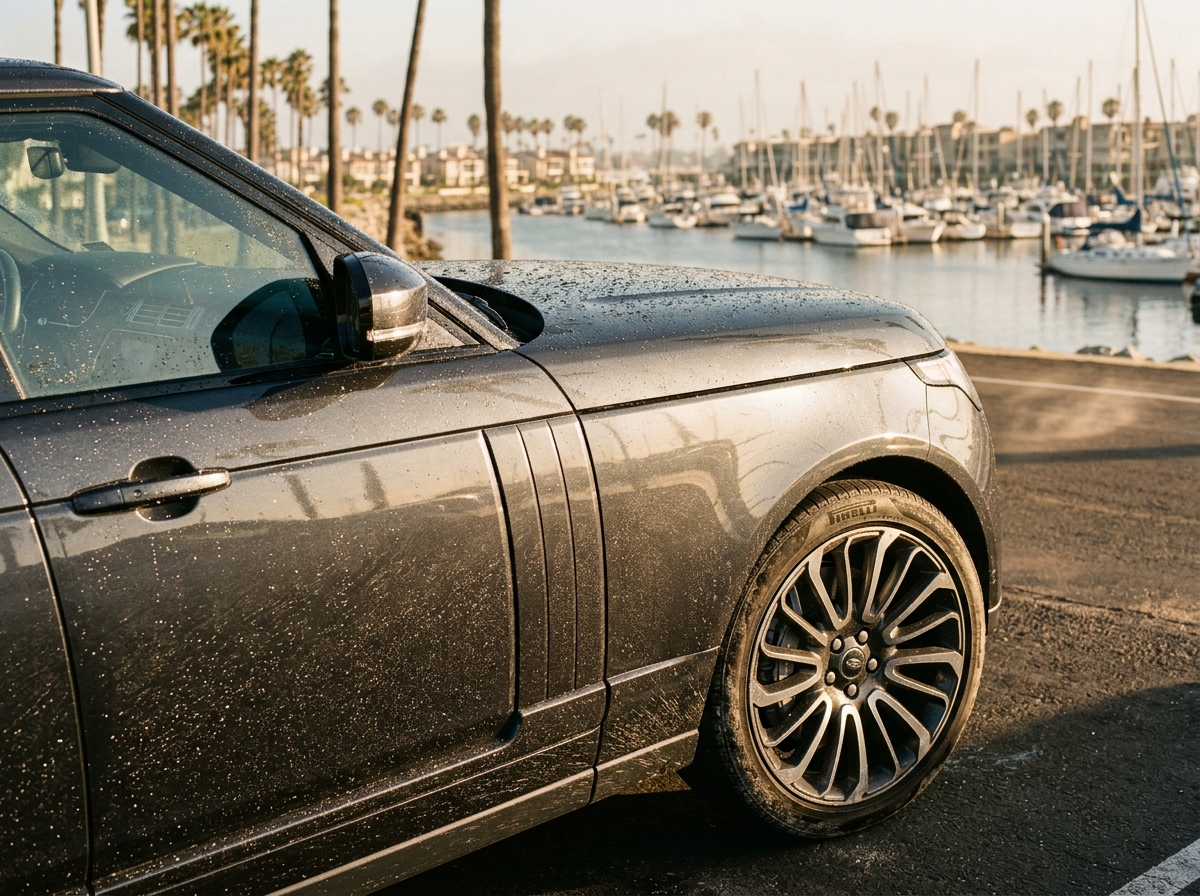
Marina Del Rey, CA drivers enjoy ocean views, beach access, and year-round outdoor living, but those same conditions can be demanding on a vehicle. Strong sun, warm pavement, salty moisture, windblown sand, and frequent stop-and-go traffic can gradually affect paint, glass, tires, trim, brakes, and cabin comfort. Choosing ceramic coating for cars in Marina Del Rey, CA, can be one part of a broader maintenance plan, especially for vehicles that spend most days parked outdoors. The most effective approach is not complicated. It is a consistent routine of rinsing residue away, drying overlooked areas, inspecting surfaces, and addressing small issues before they become expensive repairs. Coastal vehicle care is about protecting everyday reliability as much as it is about maintaining a clean appearance.
A car parked near the marina or used for regular trips to Dockweiler State Beach, Venice, Playa Vista, or the South Bay can collect salt and fine grit even when it never drives directly onto the sand. The lower body, wheel wells, hatch seams, and exterior glass tend to show the effects first. Heat also puts steady pressure on a vehicle. Cabin materials expand and contract, rubber seals dry out, and direct sunlight can make dust, bird droppings, and water spots more difficult to remove safely. A little preventive attention makes a meaningful difference in Marina Del Rey’s sunny coastal environment. For owners comparing local surface-protection options, searching for automotive ceramic coating near me should be only the first step. Consider where the vehicle is parked, how far it is driven, how often it is washed, and whether it regularly encounters beach traffic, construction dust, or highway debris.
Why Coastal Conditions Need Different Care
Ocean moisture can leave a thin residue on exterior surfaces and exposed hardware. Add sand, sun, and everyday road grime, and a vehicle may need attention more often than one kept farther inland. Regular care supports clearer visibility, more comfortable driving, and a better chance of catching corrosion, chipped paint, or worn seals early.

How Sun and Heat Wear Down a Vehicle
Marina Del Rey sunshine can fade unprotected finishes, dry exterior trim, harden rubber weather seals, and make dashboards and seats uncomfortably hot. Park in the shade or in a garage when possible, use a windshield sunshade, and remove dust before it bakes onto the paint. Keep seals clean and use vehicle-safe conditioners as directed. Clean glass also reduces glare and eye strain during bright afternoon drives along Lincoln Boulevard or Pacific Coast Highway.
Why Salt Air and Sand Cause Trouble
Salt-laden moisture can settle on wheels, brake components, fasteners, paint, and underbody areas. Sand is equally troublesome because rubbing it across a dry surface can create fine scratches. After beach parking or a particularly windy week, rinse the wheel wells, lower doors, rocker panels, hatch or trunk seams, license plate mounts, and undercarriage. Dry around the trim and seams afterward so moisture does not sit in tight areas.
Keeping Glass and the Cabin Comfortable
Clear windows, mirrors, lights, and backup cameras are important when glare, foggy mornings, or coastal haze reduce contrast. Window film may help manage heat and glare. Still, drivers should ensure their setup complies with California requirements for window materials, which limit materials that obstruct or reduce the driver’s clear view. Inside the vehicle, vacuum sand from carpets, seat tracks, and cargo areas before it grinds into fibers. Remove damp towels and floor mats promptly, replace a dirty cabin air filter, and investigate persistent musty odors after humid weather.
Choosing Paint Protection for Daily Driving
Different protection options serve different needs. Wax offers short-term gloss and water beading. Synthetic sealants usually last longer. Ceramic coatings can make regular washing easier when applied and maintained correctly. Paint protection film is a clear physical barrier for vulnerable areas such as the front bumper, hood edge, mirrors, and door cups. No product eliminates maintenance. Use gentle washing methods, avoid dry-wiping sandy panels, and inspect the finish often. The best choice depends on budget, parking conditions, mileage, and the level of protection needed for daily driving in Marina Del Rey.
Checking Tires, Wheels, and Brakes
Hot pavement, potholes, sand, curb contact, and underinflation all add stress to tires. Follow cold tire pressure and tread safety guidance by checking all tires, including the spare when equipped, at least monthly before driving. Use the pressure on the driver-side door label or in the owner’s manual, not the maximum number molded into the tire sidewall.
- Look for cuts, cracks, bulges, punctures, and uneven wear.
- Pay attention to new vibration, pulling, squealing, or reduced braking confidence.
- Rinse brake dust and coastal residue from wheels without aiming high-pressure water directly at sensitive components.
Protecting Electronics and Accessories
Moisture and salt residue can affect exposed connectors, cameras, speakers, charging ports, and accessory wiring. Keep door, hatch, and trunk seals clean. Avoid directing high-pressure water at sensors, charging equipment, or electrical connections. After washing, test the backup camera, exterior lights, and other frequently used features. Flickering displays, intermittent accessories, or loose covers deserve attention before they become larger problems.
A Simple Weekly and Monthly Care Routine
Weekly Tasks
- Rinse salt and sand from the lower body, wheels, and wheel wells.
- Clean the windshield, mirrors, lights, and camera lenses.
- Remove wet gear, sandy items, and damp floor mats.
- Check for fresh paint chips, stains, or damaged trim.
Monthly and Seasonal Tasks
- Check tire pressure, tread, wiper blades, washer fluid, and battery connections.
- Clean door jambs, hatch seams, weather seals, and drainage areas.
- Inspect air-conditioning performance before the hottest stretches of the year.
- Schedule brake, alignment, suspension, or cooling-system service when symptoms appear, or maintenance is due.
Common Coastal Car Care Mistakes
- Waiting until salt residue is visible before washing.
- Using a dry towel on dusty or sandy paint.
- Ignoring the underbody and lower door areas.
- Checking tire pressure only after driving.
- Using harsh household cleaners on trim, glass, or coated surfaces.
- Assuming a coating or film is maintenance-free.
- Forgetting that heat and moisture affect the interior, too.
Common Questions About Coastal Vehicle Care
How often should a vehicle in Marina Del Rey be washed?
Exposure matters most. A weekly rinse is practical for many outdoor-parked vehicles, with a fuller wash every few weeks. Clean sooner after beach parking, sea spray, dusty winds, or long coastal drives.
Can salt air affect a car that never goes on the beach?
Yes. Salt moisture can travel beyond the shoreline and settle on exposed surfaces. Consistent rinsing and inspection help reduce buildup.
What is the best protection for a daily driver?
There is no single answer. Wax or sealant may suit simple upkeep, while ceramic coating or paint protection film may fit owners seeking more durable protection in high-exposure areas.
A Practical Plan for 2026
For Marina Del Rey drivers, the practical formula is simple: rinse, dry, inspect, protect, and service. Small tasks completed regularly can help preserve comfort, visibility, and vehicle condition through sun, salt, and sand. Use the owner’s manual for vehicle-specific products, tire pressures, cleaning procedures, and service intervals, then make steady care part of the coastal routine.
Conclusion
A practical vehicle care plan for Marina Del Rey starts with recognizing how sun, salt air, sand, heat, and daily coastal driving affect different parts of a vehicle. Regular rinsing, careful washing, tire checks, clean glass, and timely inspections can help prevent small problems from becoming costly repairs. Ceramic coatings can support easier exterior maintenance, while paint protection film may provide additional defense for impact-prone areas. Inside the cabin, sunshades, clean surfaces, and proper care of seals, mats, and upholstery can improve comfort and reduce wear. No single product replaces routine maintenance, so protection should be matched to parking conditions, mileage, budget, and exposure. By keeping a consistent rinse, clean, inspect, and service routine, Marina Del Rey drivers can keep their vehicles cleaner, more comfortable, and better prepared for year-round coastal conditions.