Finding the right jogging shoes can make a big difference in how you feel during and after a workout. Whether you are just starting out or have been running for years, the wrong pair of shoes can lead to discomfort, blisters, or even injury. Therefore, it is important to know what to look for before you buy. This guide will walk you through everything you need to consider when choosing the best jogging shoes for women for daily exercise.
Why the Right Jogging Shoe Matters
Your feet take a lot of impact during exercise. Every time your foot hits the ground while jogging, your body absorbs a force equal to several times your own weight. Over time, poor footwear can cause joint pain, shin splints, and foot fatigue.
The right shoe protects your joints and supports your natural gait. It also keeps you comfortable so you can stay consistent with your daily workouts. Additionally, a good pair of shoes helps you avoid common running injuries that sideline so many beginners.
Know Your Foot Type First
Before you start shopping, you need to understand your foot type. There are three main foot types: flat feet, neutral arches, and high arches. Each type requires a different kind of support.
You can find out your foot type with a simple wet test. Wet the bottom of your foot and step on a piece of paper. A full footprint with little curve on the inside means flat feet. A footprint with a clear inward curve suggests a neutral arch. A very narrow footprint with almost no connection between the heel and ball of the foot indicates a high arch.
Once you know your foot type, you can shop with confidence. Flat-footed runners often need motion control shoes. Neutral runners do well with standard support. High-arched runners usually need extra cushioning to absorb impact.
Key Features to Look For in Jogging Shoes
Cushioning and Shock Absorption
One of the most important features in any jogging shoe is cushioning. Good cushioning reduces the stress on your knees, hips, and lower back. If you plan on running every day, look for cushioned sneakers that provide consistent comfort over many miles. The midsole material plays a big role here. EVA foam and newer foam compounds like PEBA offer excellent shock absorption without adding too much weight to the shoe.
Proper Fit and Toe Room
A jogging shoe should fit snugly around your heel and midfoot. However, it should leave about a thumb’s width of space between your longest toe and the end of the shoe. This prevents your toes from jamming forward, especially on downhill runs. Always try shoes on at the end of the day when your feet are slightly swollen from daily activity. This gives you the most accurate fit.
Breathable Upper Material
Your feet sweat during exercise. Therefore, a breathable upper is essential to keep your feet cool and dry. Look for mesh uppers that allow air to circulate. Some shoes also use engineered knit materials that stretch slightly with your foot, reducing the chance of pressure points and hot spots.
Outsole Grip and Durability
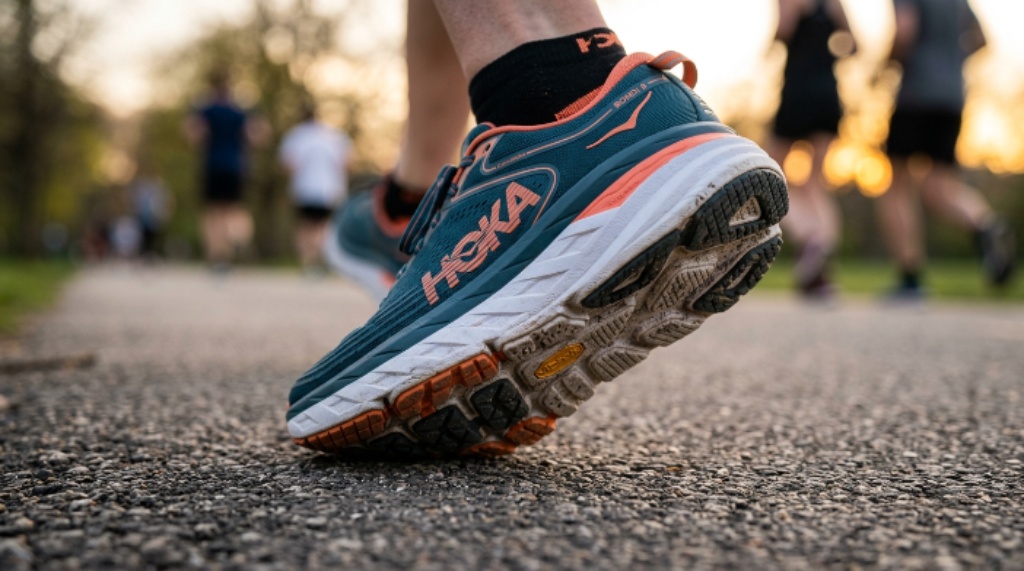
The outsole is the part of the shoe that touches the ground. A rubber outsole with a good tread pattern gives you grip on both wet and dry surfaces. If you plan to run on roads, look for high-abrasion rubber on the heel and forefoot where wear is greatest. This extends the life of your shoe and keeps you stable on your runs.
Heel-to-Toe Drop
Heel-to-toe drop refers to the height difference between the heel and the forefoot of the shoe. A higher drop (8 to 12 millimeters) suits heel strikers well. A lower drop (0 to 6 millimeters) works better for midfoot or forefoot strikers. If you are new to running, starting with a moderate drop of around 8 millimeters is usually a safe choice.
Best Shoe Styles for Daily Running
Neutral Running Shoes
Neutral running shoes are a great starting point for most women. They offer balanced cushioning and flexibility. They work well for runners with normal to high arches. Additionally, many neutral shoes are lightweight, which makes them ideal for daily training.
Stability Running Shoes
Stability shoes have extra support on the inner side of the midsole. This helps runners who overpronate, meaning their feet roll inward too much when they land. If you notice excessive wear on the inner edge of your old shoes, a stability shoe may be right for you.
Long-Distance Running Shoes
If you plan to build up your mileage, investing in long-distance running shoes is a smart move. These shoes are designed with extra durability and cushioning to hold up over many miles. They typically feature thicker midsoles and reinforced outsoles. However, they are also engineered to remain lightweight so your legs do not tire too quickly.
How to Test a Shoe Before You Buy
Always do a physical test before committing to a pair. Walk around the store first to feel how the shoe fits. Then jog lightly in place or down an aisle if possible. Notice whether the heel slips, whether your toes feel cramped, and whether the arch support feels comfortable.
Additionally, pay attention to how the shoe bends. It should flex naturally at the ball of the foot, not in the middle. A shoe that bends in the wrong place will not support your stride properly.
How Often Should You Replace Jogging Shoes
Even the best shoes wear out over time. Most running shoes last between 300 and 500 miles. After that, the cushioning starts to break down even if the shoe still looks fine on the outside. Therefore, keep track of your mileage and replace your shoes regularly to protect your joints and maintain performance.
If you run daily, you may want to rotate between two pairs of shoes. This gives each pair time to decompress between runs and extends the life of both pairs.
Budget vs. Quality
It can be tempting to choose the cheapest option available. However, investing in a quality pair of jogging shoes is worth it in the long run. A good pair protects your body and will last longer than a cheap pair that wears out quickly. That said, you do not always need to buy the most expensive shoe on the shelf. Many mid-range options offer excellent performance and comfort for daily training.
Conclusion
Finding comfortable jogging shoes for daily exercise does not have to be overwhelming. Start by understanding your foot type, then focus on key features like cushioning, fit, breathability, and outsole durability. Test shoes in the store and replace them regularly to keep your feet well supported. Whether you choose cushioned sneakers for short daily jogs or step up to long-distance running shoes as your training grows, the right pair will help you stay consistent, comfortable, and injury-free.
Frequently Asked Questions
How do I know if a jogging shoe fits correctly?
A properly fitting jogging shoe should feel snug around the heel and midfoot with about a thumb’s width of space at the front. Your toes should not touch the end of the shoe, and there should be no slipping at the heel when you walk or run.
Are cushioned sneakers good for everyday jogging?
Yes. Cushioned sneakers are an excellent choice for daily jogging because they absorb impact and reduce stress on your joints. They are especially helpful if you run on hard surfaces like concrete or asphalt.
How long do jogging shoes typically last?
Most running shoes last between 300 and 500 miles. If you run about 20 miles per week, plan to replace your shoes every four to six months. Signs of wear include flattened cushioning, worn outsoles, and increased soreness after runs.
Can I use regular sneakers for jogging?
You can, but it is not ideal. Regular sneakers are not designed for the repetitive impact of running. They often lack the support and cushioning that jogging shoes provide, which can lead to discomfort or injury over time.
What is the difference between stability and neutral running shoes?
Neutral running shoes offer balanced cushioning for runners with normal or high arches. Stability shoes have added support on the inner midsole to correct overpronation, which is when the foot rolls inward too much during each stride. Choosing the right type depends on your foot type and gait pattern.
Related Topics:
How to Start a Gentle Weight Loss Plan That Works
Back Pain in Athletes: Prevention and Recovery Strategies