Most adults need about 0.8 grams of protein per kilogram of body weight daily, but active people, older adults, and those building muscle often require 1.2–2.0 grams per kilogram.
Many people either eat too little protein or far more than they actually need. Both mistakes can slow metabolism, reduce muscle strength, increase fatigue, and affect long-term health. The solution is simple but rarely followed: calculate your personal protein requirement based on your body weight, activity level, and health goals.
Protein is an essential macronutrient your body uses to build muscle, repair tissue, support immunity, and regulate hormones. Without enough protein, even a balanced diet can leave you feeling tired, hungry, and physically weak.
The recommended baseline intake for most adults is 0.8 g per kilogram of body weight, but this number increases for athletes, older adults, and people trying to lose fat or gain lean muscle. Choosing high-quality protein sources matters just as much as choosing the right amount.
This guide explains how to calculate your ideal intake, which foods provide the best protein, and how to adjust consumption for different goals like weight loss, strength building, or healthy aging.
How do you calculate how much protein your body needs?
You can estimate your daily protein needs by multiplying your body weight in kilograms by 0.8 to 2.0 depending on your activity level and health goals.
Protein requirements vary based on several factors. Body composition, age, lifestyle, and physical activity all influence how much your body actually needs.
- Sedentary adults: 0.8 g per kg body weight
- Moderately active adults: 1.0–1.2 g per kg
- Strength training individuals: 1.4–2.0 g per kg
- Older adults: 1.2–1.6 g per kg
- Weight loss phases: 1.2–1.8 g per kg
For example, a 70 kg adult requires approximately:
- 56 g protein (sedentary)
- 70–84 g protein (moderately active)
- 98–140 g protein (muscle gain)
Higher intake supports muscle repair, metabolic efficiency, and satiety.
Why does your body need protein every day?
Your body needs protein daily because it cannot store amino acids long term and must constantly rebuild tissues, enzymes, and hormones.
Protein supports nearly every biological function. Unlike carbohydrates and fats, protein is not stored in large reserves. That makes regular intake essential.
Key roles of protein include:
- Muscle repair and growth
- Immune system strength
- Hormone production
- Healthy skin, hair, and nails
- Enzyme activity
- Oxygen transport through hemoglobin
Insufficient intake can reduce strength, slow recovery, and weaken immune response over time.
Does protein intake depend on your activity level?
Yes, people who exercise regularly need more protein because physical activity increases muscle breakdown and recovery demands.
Exercise increases protein turnover. Strength training especially raises amino acid requirements.
Endurance athletes also benefit from slightly higher intake because protein supports recovery and reduces muscle loss during long workouts.
Examples:
- Walkers and light exercisers: 1.0 g/kg
- Runners and cyclists: 1.2–1.4 g/kg
- Weightlifters: 1.6–2.0 g/kg
Consuming protein evenly throughout the day improves absorption efficiency.
How much protein do you need to build muscle?
Most people need between 1.4 and 2.0 grams of protein per kilogram of body weight daily to maximize muscle growth.
Muscle protein synthesis increases after resistance training. Without adequate amino acids, this process slows significantly.
Leucine-rich foods are especially effective for muscle development:
- Eggs
- Chicken breast
- Greek yogurt
- Fish
- Whey protein
- Soy products
Spreading intake across 3–5 meals improves muscle-building efficiency more than consuming most protein in one sitting.
How much protein do you need for weight loss?
During fat loss, consuming 1.2–1.8 grams of protein per kilogram helps preserve muscle and control hunger.
Protein increases satiety hormones like GLP-1 and reduces ghrelin levels. This naturally lowers calorie intake.
Higher protein intake also increases thermogenesis, meaning your body burns more calories digesting food.
Benefits during weight loss:
- Preserves lean muscle mass
- Reduces cravings
- Boosts metabolism
- Improves fat loss results
Do older adults need more protein than younger adults?
Yes, older adults typically need 1.2–1.6 grams per kilogram daily to prevent age-related muscle loss.
Muscle mass naturally declines with age due to sarcopenia. Increasing dietary protein slows this process.
Higher intake improves:
- Mobility
- Bone strength
- Balance
- Recovery speed
- Metabolic health
Combining protein with resistance exercise produces the strongest protective effect.
What are the best high-quality protein sources?
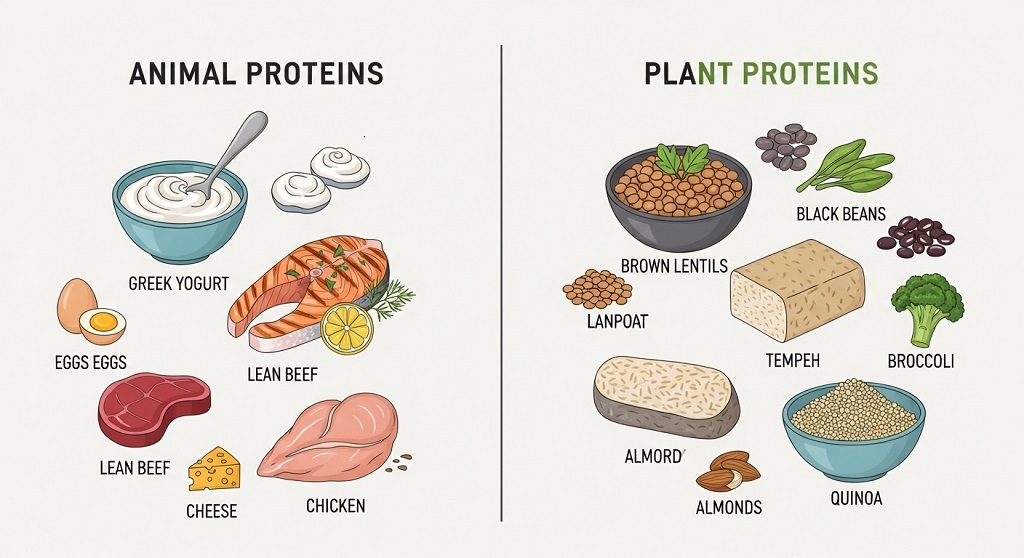
The best protein sources contain all essential amino acids and include lean meats, dairy, fish, eggs, legumes, soy, and nuts.
| Protein Source | Protein per 100g | Protein Quality |
|---|---|---|
| Chicken breast | 31g | Complete |
| Eggs | 13g | Complete |
| Greek yogurt | 10g | Complete |
| Lentils | 9g | Incomplete |
| Tofu | 8g | Complete |
| Almonds | 21g | Incomplete |
Combining plant proteins improves amino acid balance.
Are plant proteins as effective as animal proteins?
Plant proteins can meet daily needs when combined properly, though animal proteins usually contain more complete amino acid profiles.
Vegetarians and vegans can maintain adequate intake by mixing foods such as:
- Rice and beans
- Lentils and whole grains
- Chickpeas and seeds
- Tofu and quinoa
Soy protein is considered one of the highest-quality plant-based options.
How should you distribute protein throughout the day?
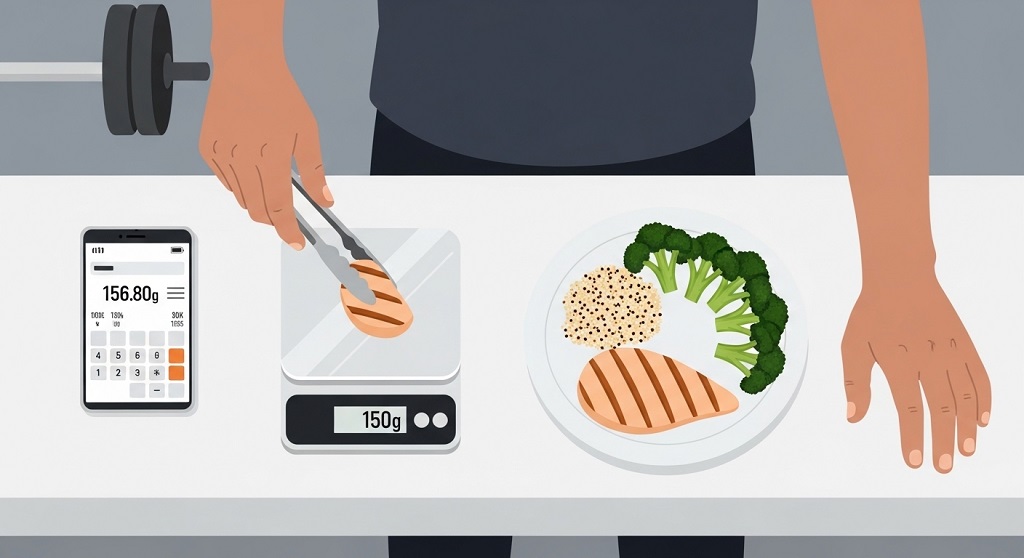
Eating 20–40 grams of protein per meal supports optimal muscle protein synthesis and improves nutrient absorption.
Instead of consuming most protein at dinner, distribute intake evenly:
- Breakfast: 20–30g
- Lunch: 25–35g
- Dinner: 25–40g
- Snacks: 10–15g
This pattern stabilizes energy levels and reduces hunger.
Can eating too much protein be harmful?
High protein intake is safe for most healthy individuals but extremely excessive consumption may strain kidneys in people with preexisting conditions.
Research shows intakes up to 2.0 g/kg are generally safe for active adults.
However, balance remains important. Excess protein may replace fiber-rich foods if meals are not planned carefully.
What happens if you don’t eat enough protein?
Low protein intake can cause fatigue, muscle weakness, poor immunity, and slower recovery from illness or exercise.
Common symptoms include:
- Hair thinning
- Frequent illness
- Slow wound healing
- Loss of muscle mass
- Increased hunger
Long-term deficiency can affect metabolic health and bone density.
National Institutes of Health (.gov): Dietary Reference Intakes for Protein — Proves the “Expertise” of your data.
Conclusion
Protein plays a central role in maintaining strength, metabolism, and overall health. While the baseline recommendation is 0.8 grams per kilogram of body weight, most active adults benefit from higher intake tailored to their lifestyle and goals.
Choosing high-quality sources and distributing protein across meals improves absorption and long-term results. Whether your goal is muscle growth, weight loss, or healthy aging, adjusting daily protein intake is one of the most effective nutrition strategies available.
Start by calculating your personal requirement today and redesign your meals around balanced, protein-rich foods that support your long-term wellness.
FAQ: How much protein do you need each day?
How much protein should I eat per day to stay healthy?
Most adults need at least 0.8 grams per kilogram of body weight daily, though active individuals benefit from higher intake.
Is 100 grams of protein per day enough?
Yes, 100 grams is sufficient for many moderately active adults but may be low for athletes or larger individuals.
Can too much protein cause weight gain?
Protein itself does not cause weight gain unless total calorie intake exceeds daily energy needs.
Is protein more important than carbohydrates?
Both nutrients are essential, but protein plays a greater role in muscle maintenance and satiety.
What is the best time to eat protein?
Protein should be distributed evenly across meals, especially after exercise to support recovery.
Do vegetarians get enough protein?
Yes, vegetarians can meet protein needs by combining legumes, grains, dairy, soy, and nuts.
Does protein help reduce belly fat?
Higher protein intake supports fat loss by improving metabolism and reducing appetite.
best foods for muscle growth naturally: How Can I Improve My Life and Myself?
healthy balanced diet plan for beginners:What to do to stop overthinking? 6 tips