Key Takeaways
- Consistent maintenance is essential to preserve efficiency and prevent small problems from escalating.
- Simple diagnostic tests can reveal irregular watering patterns and highlight areas needing attention.
- Cleaning and repositioning sprinkler heads can greatly affect water coverage and reduce waste.
- Adjusting your system seasonally keeps your landscape healthy and your water usage efficient.
- Professional inspections are valuable for uncovering hidden or complex issues.
Maintaining a thriving lawn and garden starts with a reliable irrigation system. Regular attention helps prevent problems that could hinder its performance or waste valuable water. With the right information and a hands-on approach, homeowners can tackle many issues themselves. To support these efforts, professional irrigation repair services are also available for more complex problems or when expert guidance is needed. Adopting smart repair habits not only improves landscape health but also leads to long-term resource savings.
Unfortunately, even well-maintained systems may eventually develop problems that impact coverage or efficiency. Being proactive with minor repairs and routine checkups ensures your yard remains vibrant without unnecessary water waste. Understanding the basics of irrigation maintenance and using practical strategies will empower you to address most concerns as they arise.
Whether you have a newly-installed system or are working to optimize an aging setup, identifying trouble spots quickly is crucial. By keeping an eye on performance and knowing when to seek assistance, you can protect your investment and promote sustainable landscaping. Learning to spot issues before they escalate makes each growing season easier to manage and more enjoyable.
When considering improvements or upgrades to your watering system, discovering more about irrigation installation can help you make informed choices. New technologies and professional installations provide precise water control and support healthier plant growth from the start.
Diagnosing Irrigation System Issues
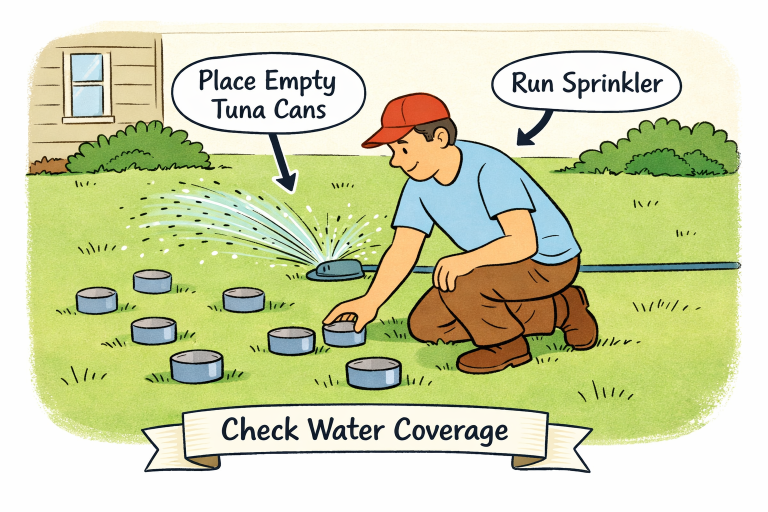
Getting to the bottom of irrigation challenges begins with careful observation. Areas of the lawn that are greener or browner than others can point to uneven water distribution or mechanical failures. The “tuna can test” is a reliable way to measure how much water your system delivers throughout each zone. Set several empty cans in different parts of your lawn, run the sprinklers for a fixed length of time, then measure the water in each can. Varying amounts point to issues such as clogs, pressure differences, or heads that need repositioning. This low-cost, straightforward approach highlights where further attention is required.
Other common symptoms of irrigation issues include soggy patches, water pooling, or oversaturated soil along certain sections. These signs suggest possible leaks or poorly aligned heads. If runoff is occurring, it could mean your watering practices need adjustment. By diagnosing these symptoms early, you can keep plants healthy and avoid the higher costs of repairing extensive damage.
Cleaning and Adjusting Sprinkler Heads
Debris, dirt, and mineral buildup are typical culprits behind sprinkler malfunctions. Routine checks ensure each sprinkler head operates at peak efficiency. Begin by turning off the system and carefully unscrewing the nozzles. Clear away accumulated material with a gentle rinse or a soft brush and reassemble each head before testing. This small maintenance task can significantly improve coverage and prevent dry patches or puddles.
Just as important as cleaning is making sure each sprinkler head is aimed correctly. Heads should be set to avoid spraying sidewalks, driveways, or building foundations. A simple adjustment to the spray angle or pattern can ensure water reaches only where it is needed, promoting healthier lawns and lowering utility bills. The Environmental Protection Agency provides further tips on outdoor water conservation that complement smart irrigation practices.
Checking for Leaks and Wear
Leaks are often hidden underground or in less-visible pipe sections. Unexplained increases in water bills may signal a problem, as do mushy areas of turf or hissing noises when the system runs. Regularly inspect all hoses, pipes, and connections for cracks, corrosion, or splitting. Replacing worn or damaged parts as soon as possible reduces waste and prevents additional harm to the rest of the system.
For drip irrigation systems, check emitters and fittings for blockages or leakage. Small repairs, such as tightening loose couplings or swapping out bad gaskets, will protect your system’s efficiency. If a significant break is suspected, pausing use and consulting a professional helps avoid further loss.
Seasonal Adjustments and Maintenance
Water requirements change throughout the year. During spring and fall, landscapes generally need less irrigation than during peak summer heat. Review and modify your controller settings to match these needs without overwatering. Lowering irrigation frequency during rainy periods can also help prevent fungal diseases and reduce waste. As winter approaches, proper winterization becomes essential: drain lines thoroughly and insulate exposed components to protect against freezing and cracking.
Beyond personal maintenance, it is smart to refer to resources for general seasonal recommendations. Aligning your routine with established best practices improves your system’s long-term reliability.
Utilizing Smart Irrigation Technology
Modern irrigation controllers use real-time weather data and soil moisture readings to regulate watering schedules automatically. These devices can reduce manual labor and optimize water use, which is especially helpful in regions with variable rainfall or unpredictable droughts. Keeping software updated and checking calibration several times a year can prevent malfunctions and save water. Most new controllers allow for app-based management, so adjustments can be made remotely as needed.
Professional Inspections
An annual inspection from a certified technician complements your own efforts. By reviewing wiring, valve functions, and sensor placements, professionals can identify problems that might have gone unnoticed. They also offer recommendations for upgrades or repairs that make your irrigation system more resilient and water-efficient. Scheduling inspections prior to major growing seasons gives you peace of mind and supports sustainable landscape care.
Conclusion
Investing time in smart irrigation repair keeps your outdoor spaces healthy and resource-efficient. With regular checks, prompt cleaning, seasonal adjustments, and the occasional professional inspection, you can extend the life of your irrigation system and protect your landscape. Smart repair habits minimize water waste and ensure your lawn and garden remain beautiful for years to come.